Bonaire 2021 Covid Trip
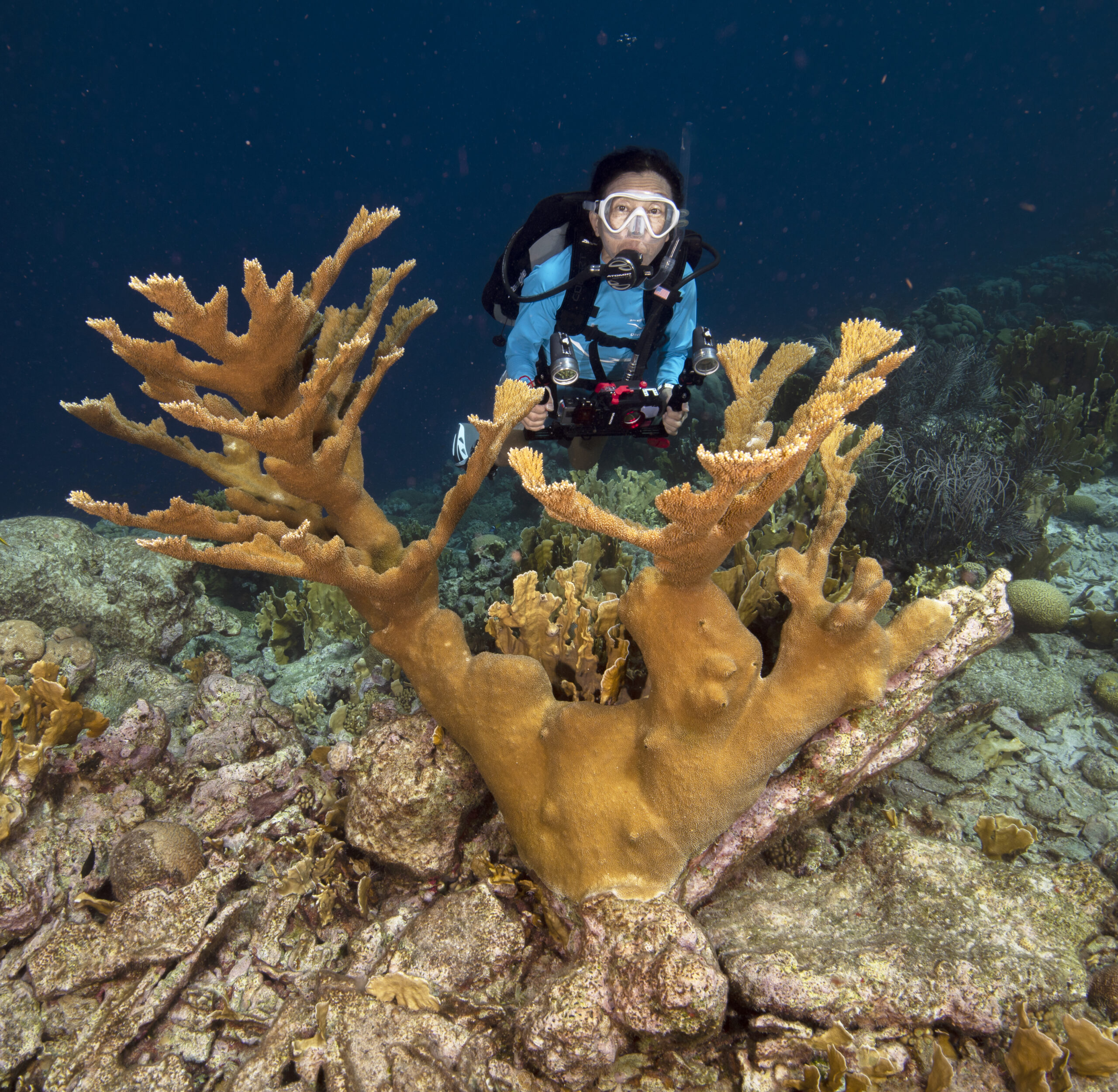
Ruth hovers behind a stand of elkhorn coral — once the Caribbean’s most common reef-builder, now endangered, and still thriving on Bonaire’s protected reefs.
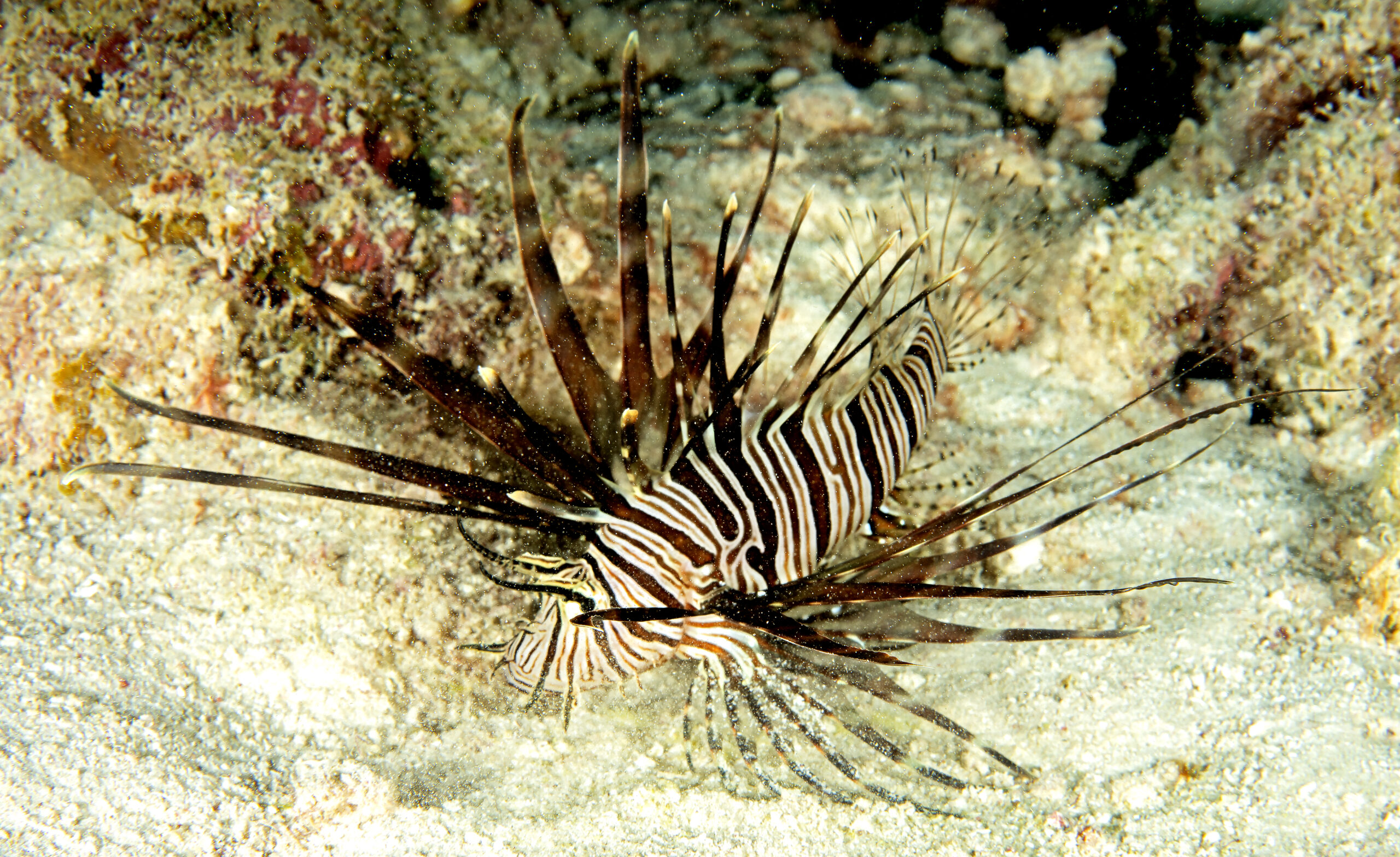
A lionfish fans its venomous spines over the sand — a beautiful Indo-Pacific invader that Bonaire’s divers are licensed to hunt.
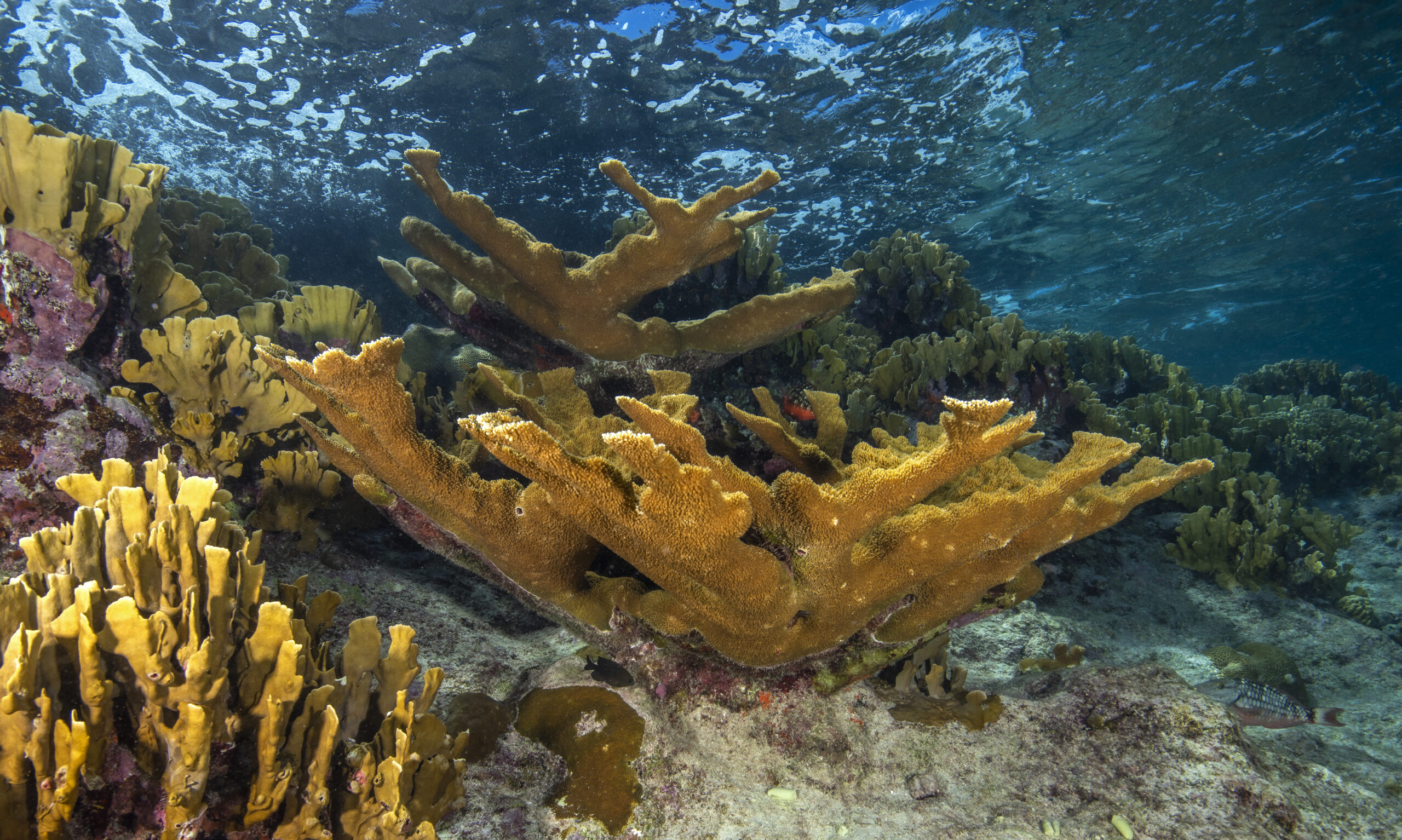
Elkhorn coral reaches for the light in the shallows, fire coral and sea rods crowding in around it.
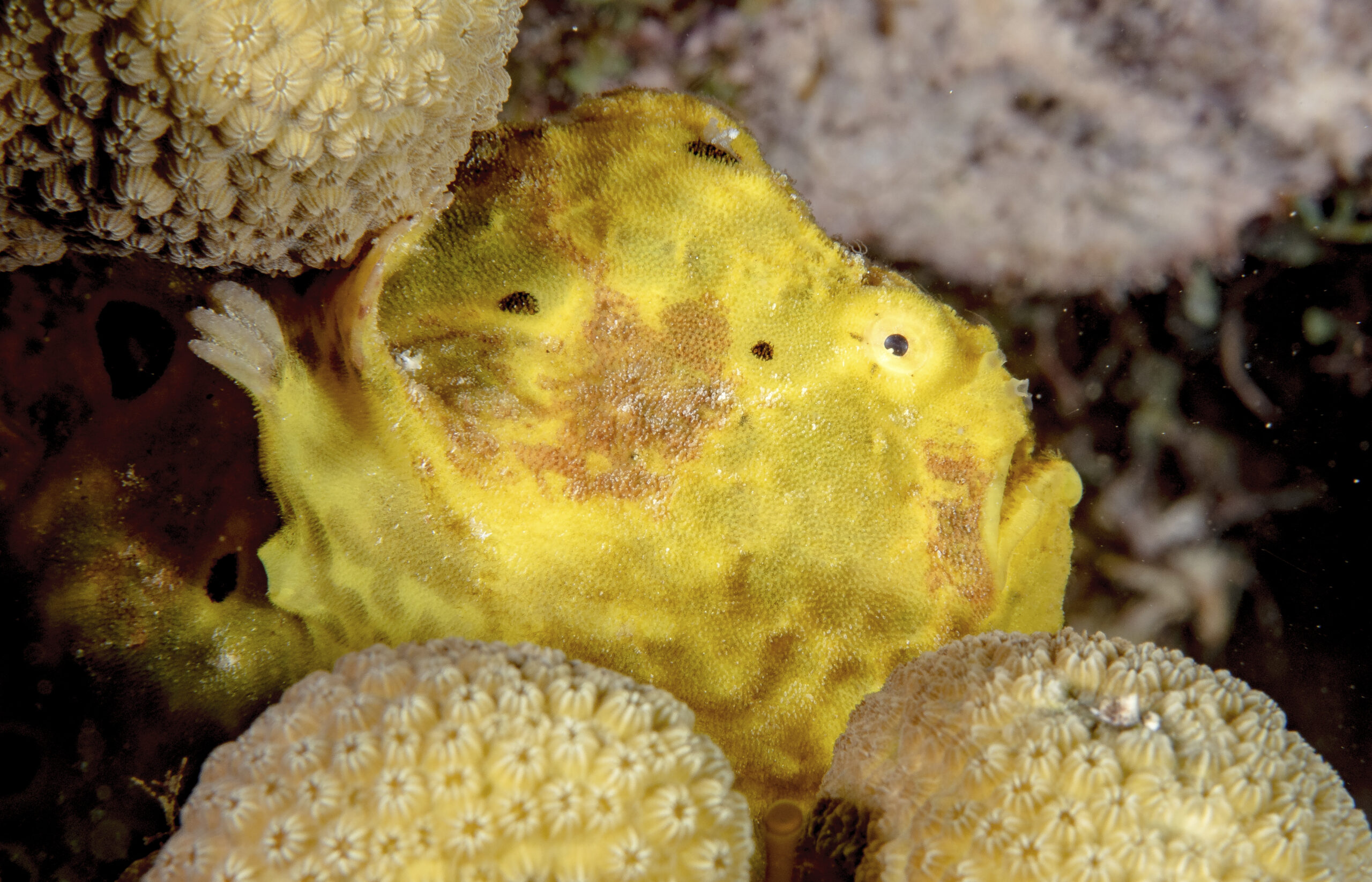
A golden frogfish sits perfectly still among the coral, waiting to inhale any small fish that wanders too close.
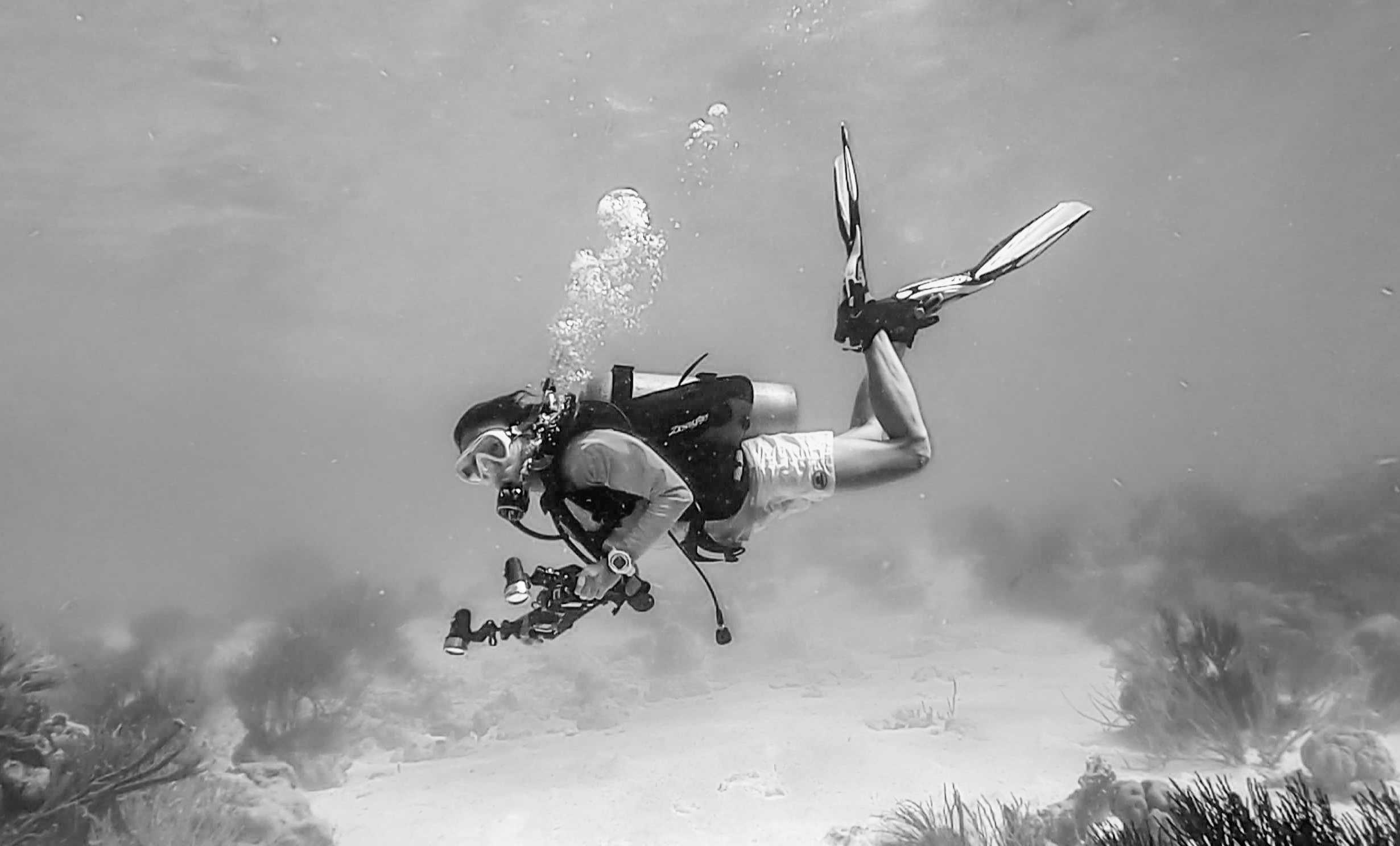
A diver glides weightless over the sand — a quiet moment in black and white.
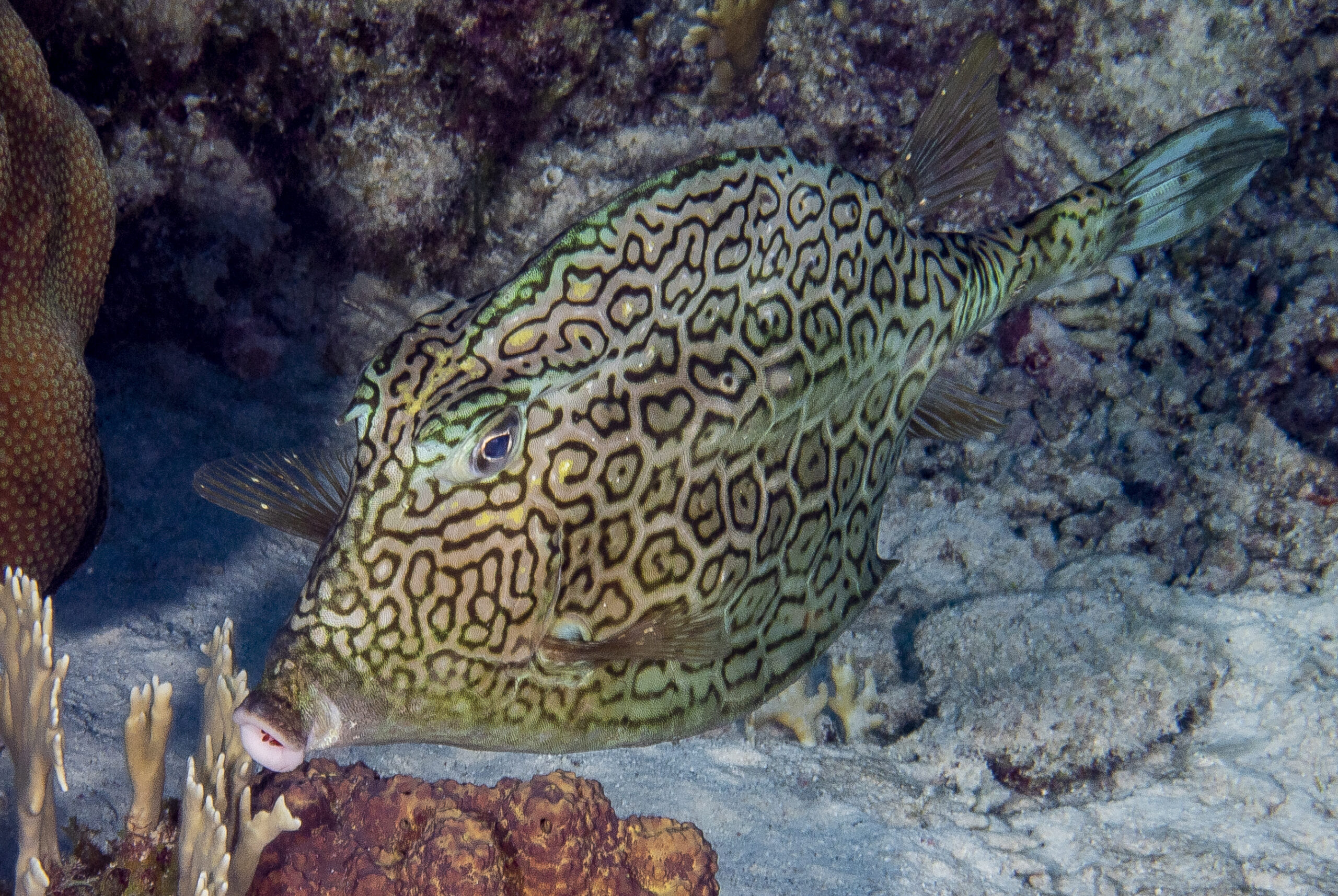
The ‘unidentified’ fish, identified: a honeycomb cowfish, its body a living maze of hexagons, cruising the reef on tiny fluttering fins.
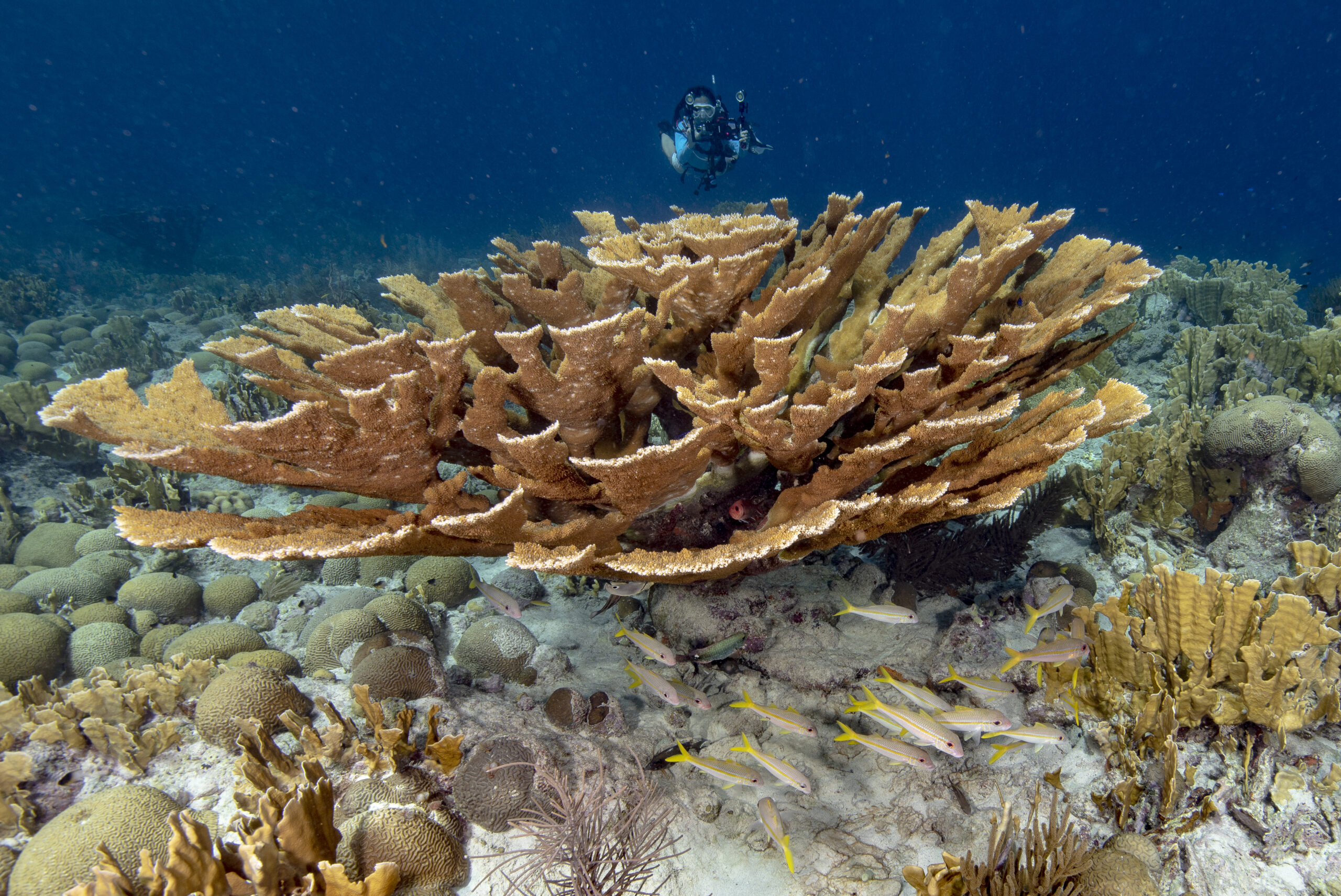
A broad elkhorn colony crowns the reef, a diver drifting overhead and a school of goatfish nosing the sand below.
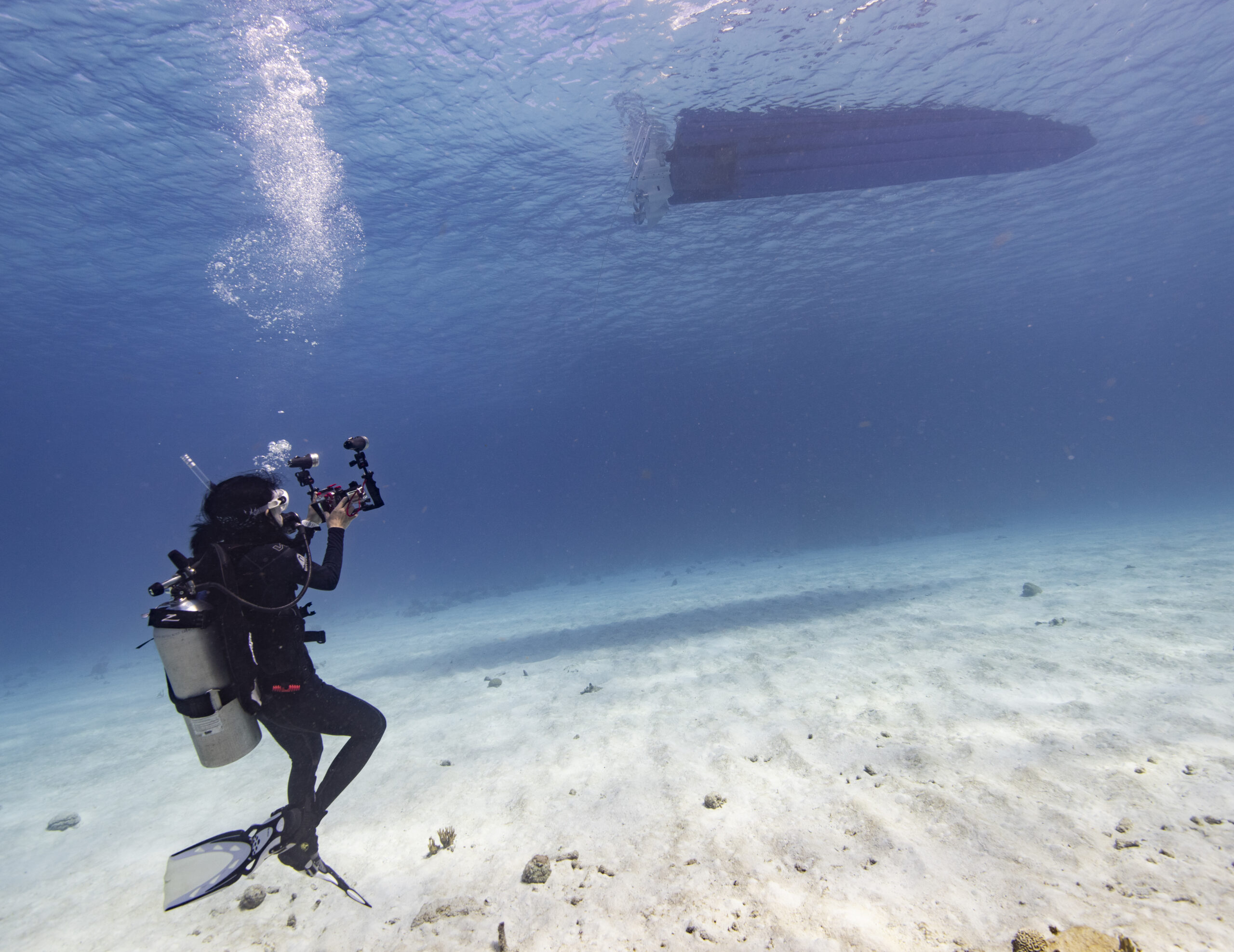
Ruth aims her camera up at the dive boat on the surface, framed against the silver ceiling of the sea.
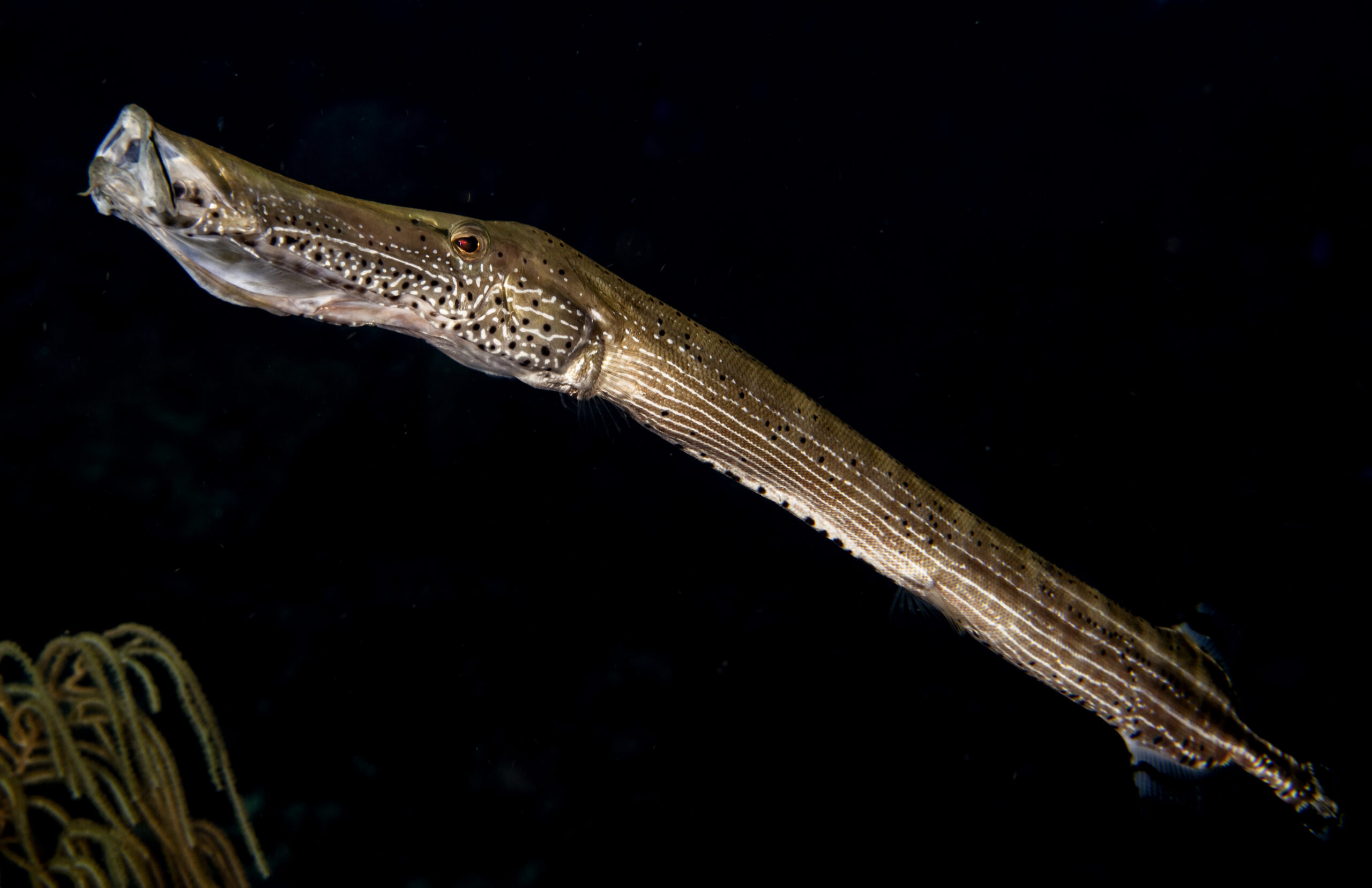
A trumpetfish hangs in the dark — despite the old ‘pipe fish’ label, it’s a trumpetfish, built to suck prey in with a sudden gulp.
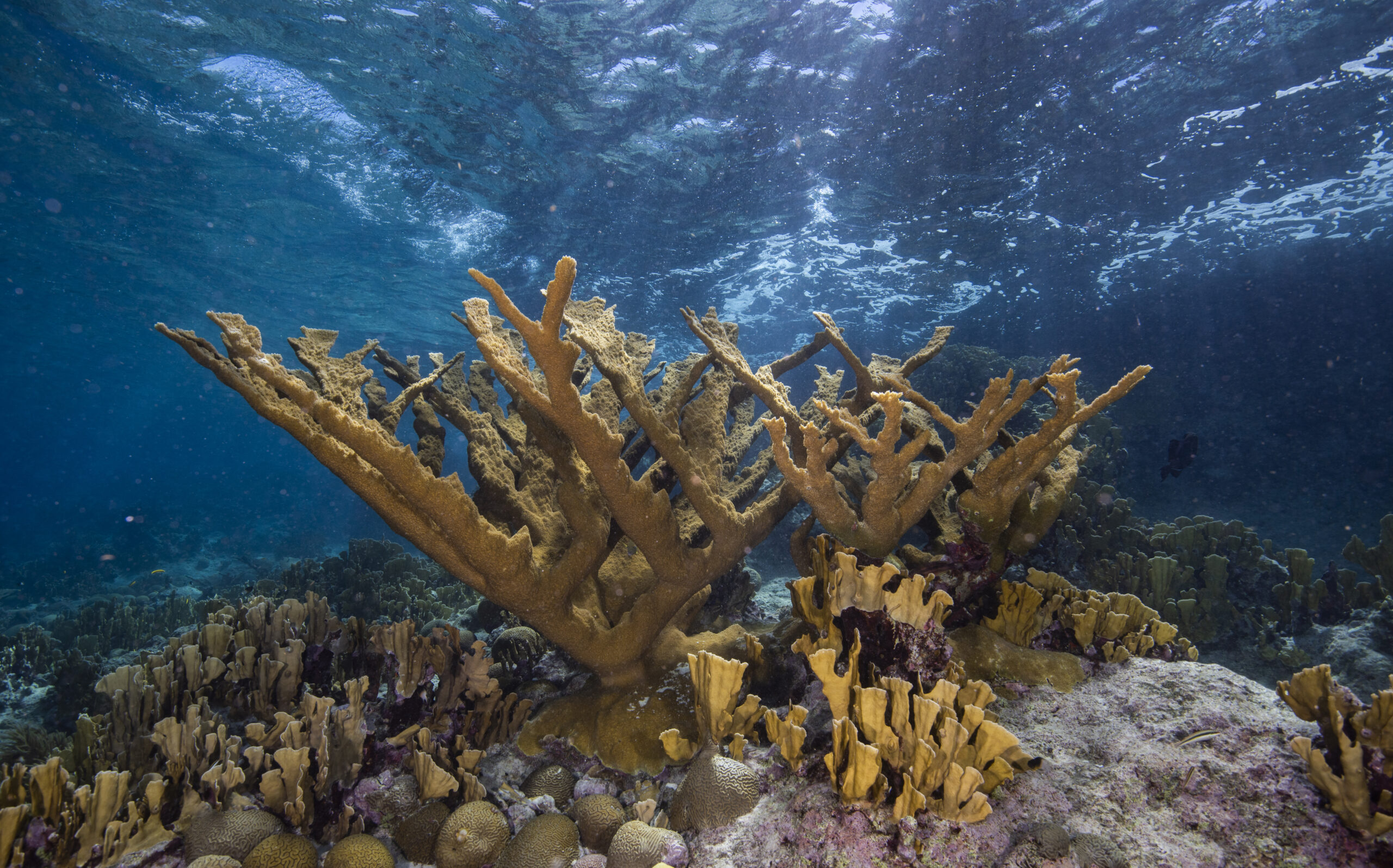
Another elkhorn stand fans out beneath the surface glare — antlers of living stone that can add several inches a year.

Home base: a shaded terrace over the water, dive tanks at the ready and the reef just a stride away.

A queen angelfish in full regalia — note the dark ‘crown’ on its forehead that gives the species its name.
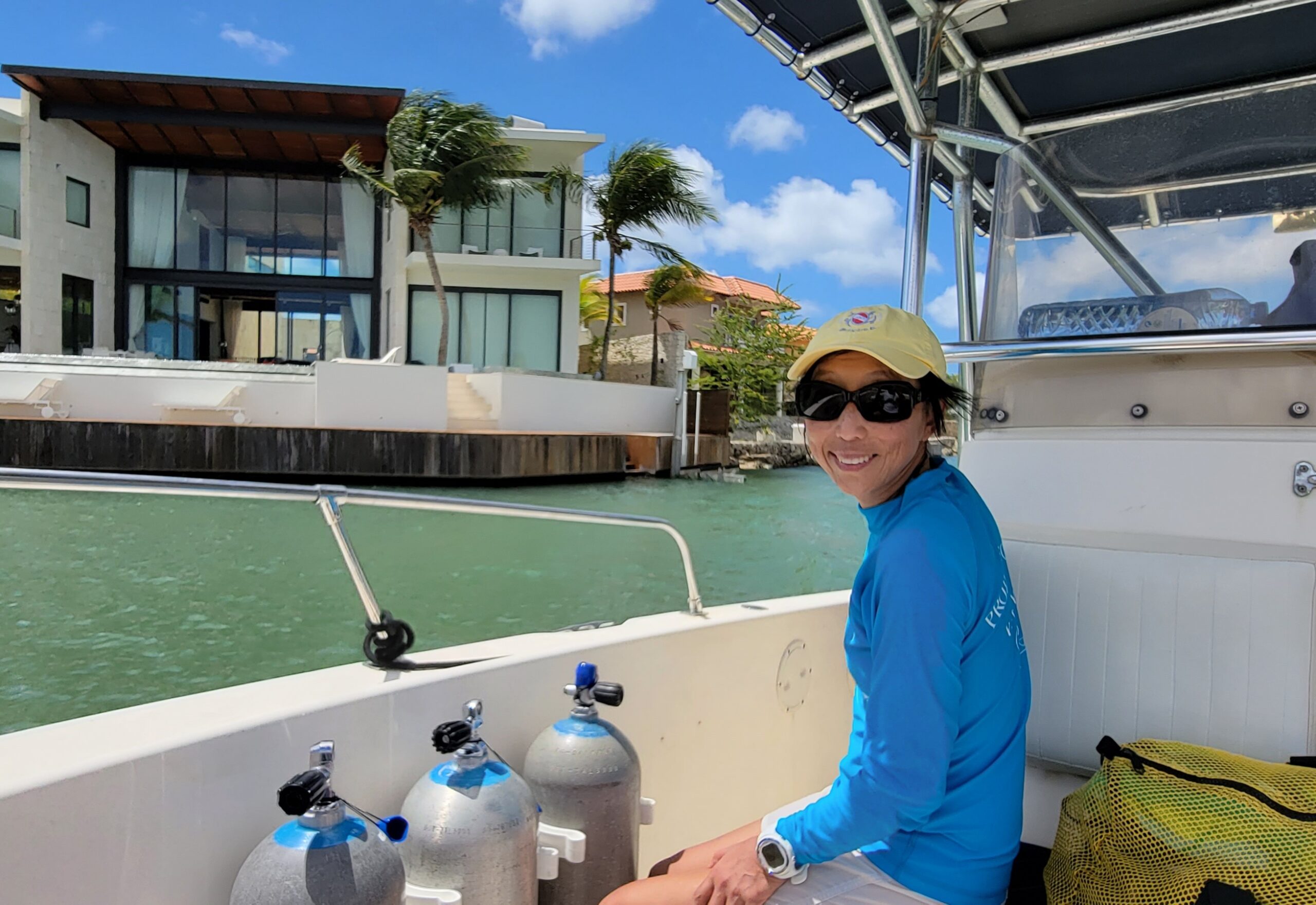
Ruth ready to roll on the dive boat, tanks lined up and a Bonaire villa sliding past in the marina.
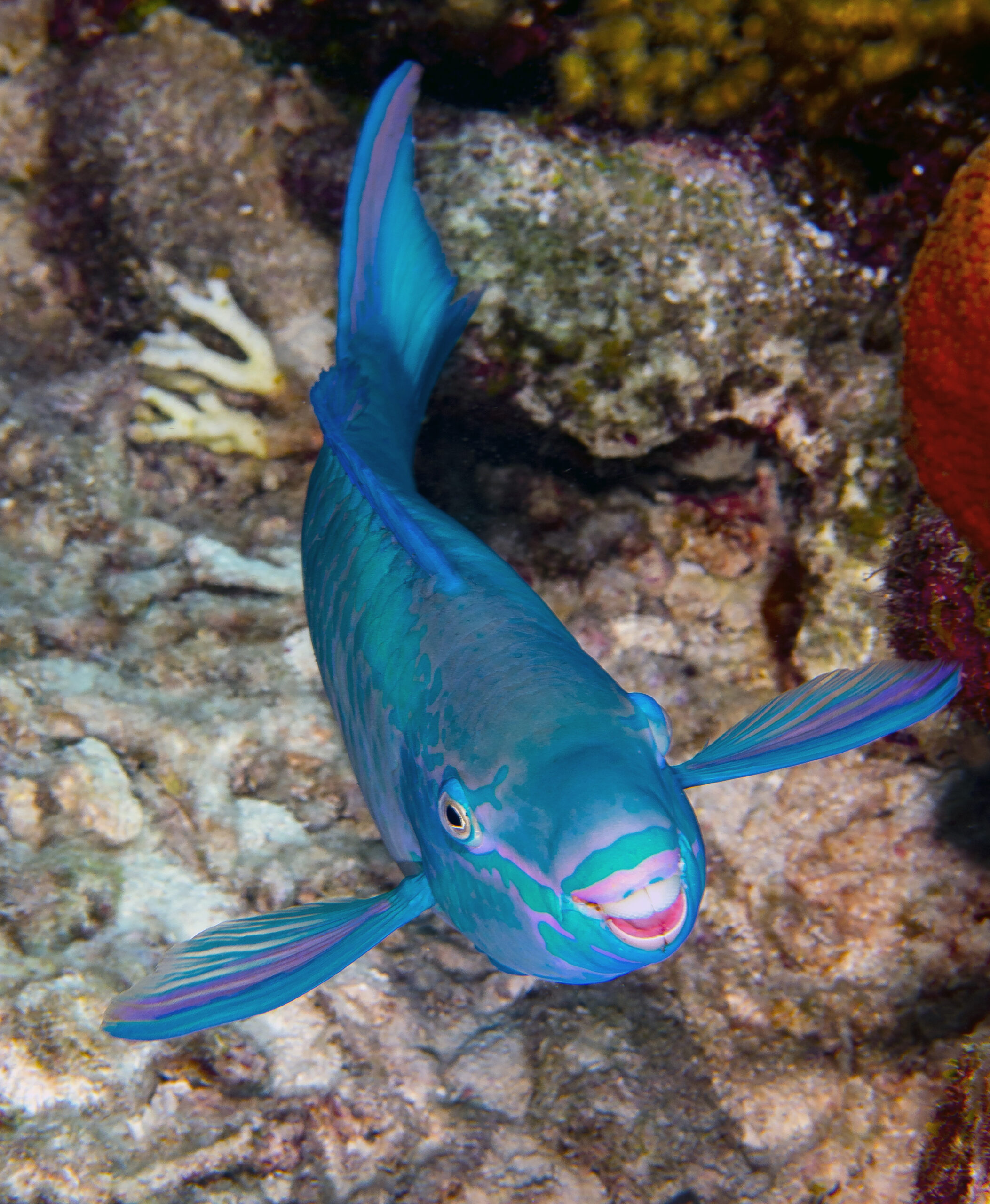
A parrotfish turns to the camera with what looks like a grin — those fused, beak-like teeth scrape algae off the coral all day long.
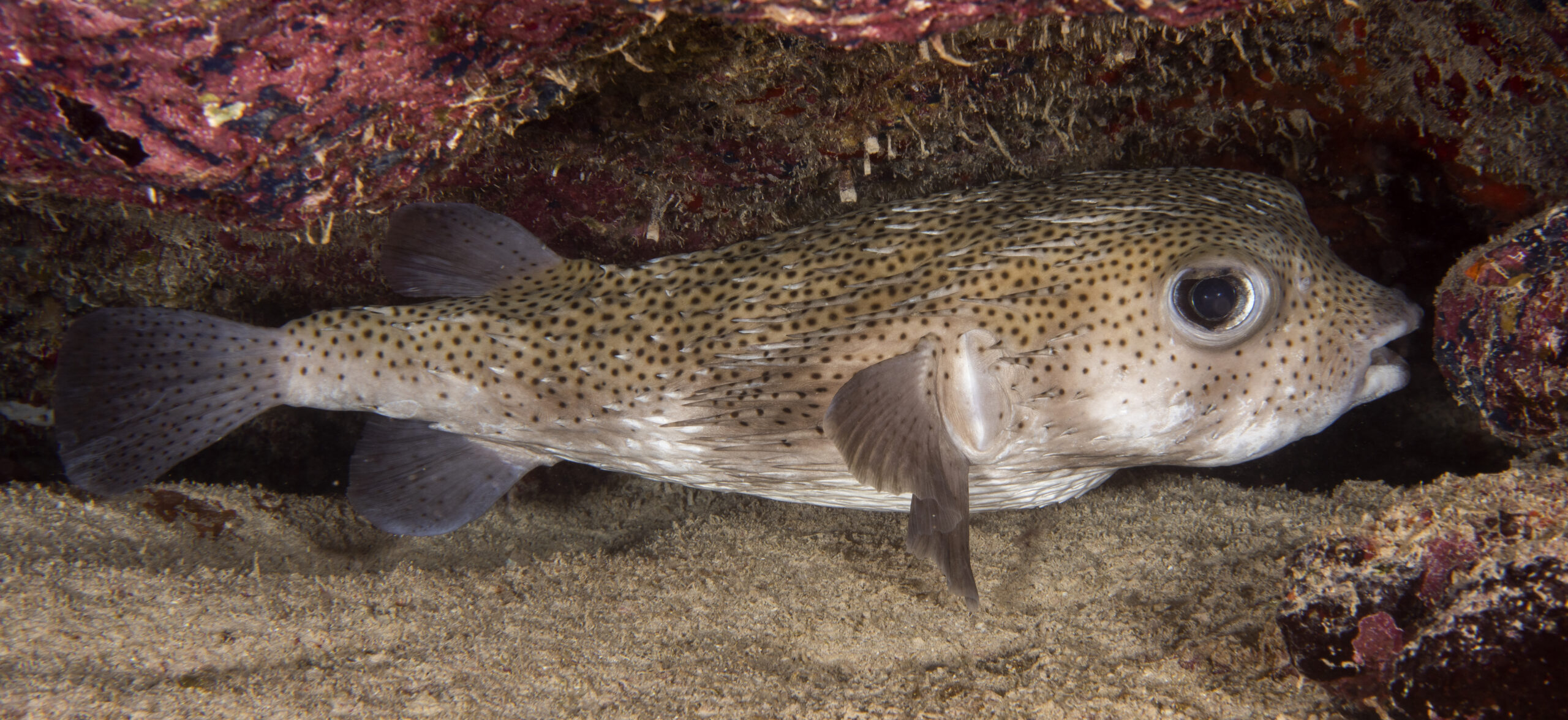
A porcupinefish tucks under a ledge, spines flat for now — threatened, it gulps water and balloons into a spiky sphere.
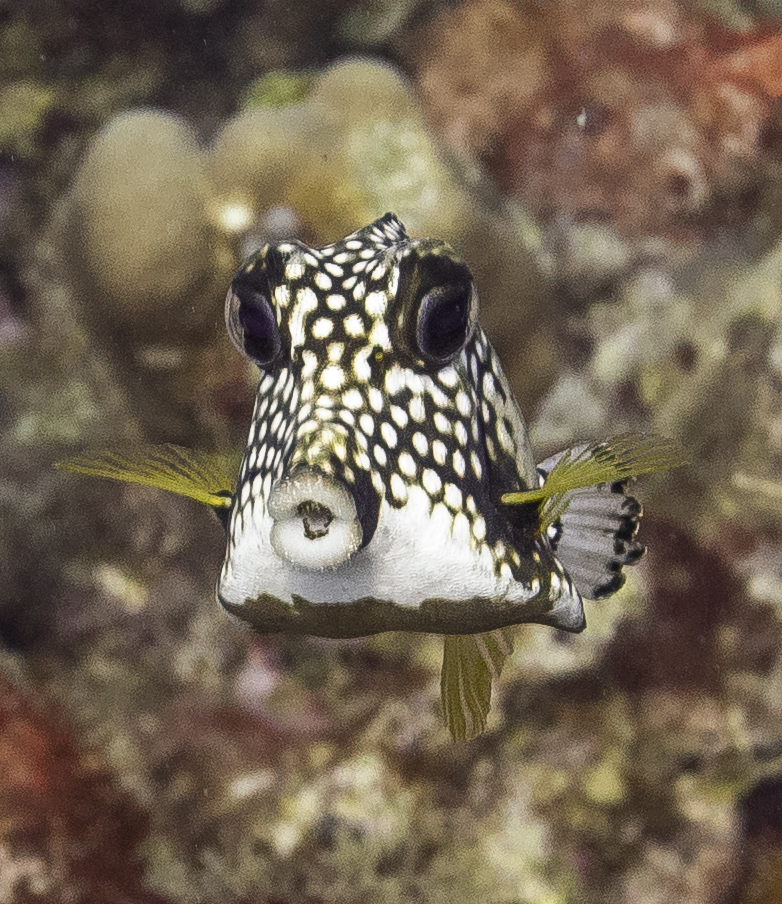
A smooth trunkfish meets the lens head-on, all pucker and polka dots inside its boxy little shell of a body.
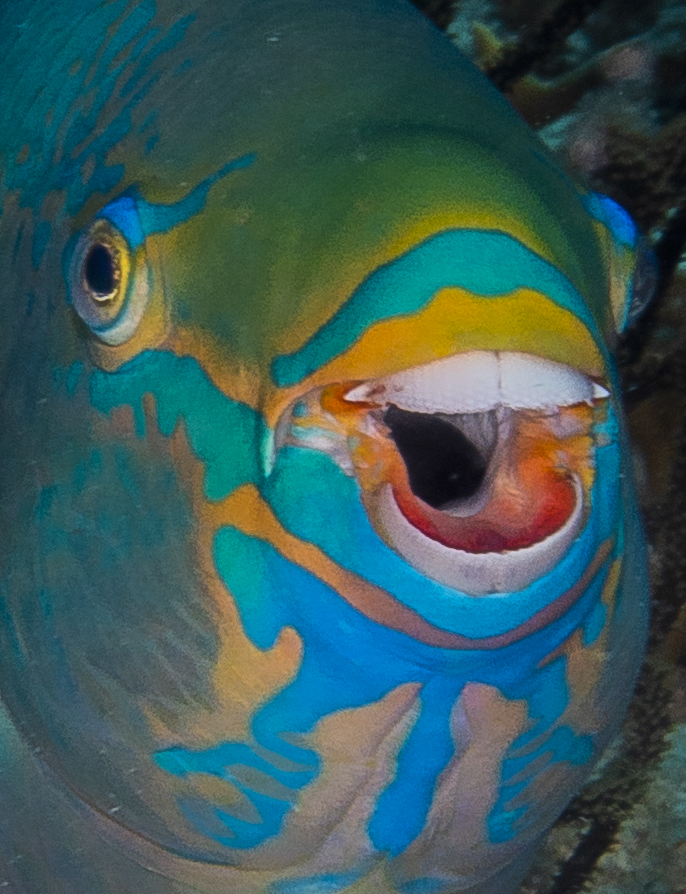
Nose to nose with a parrotfish — up close the beak is a single fused plate, strong enough to bite solid coral.

A stoplight parrotfish in its bright terminal colors — orange up front, electric green behind, with the tell-tale yellow spot near the tail.
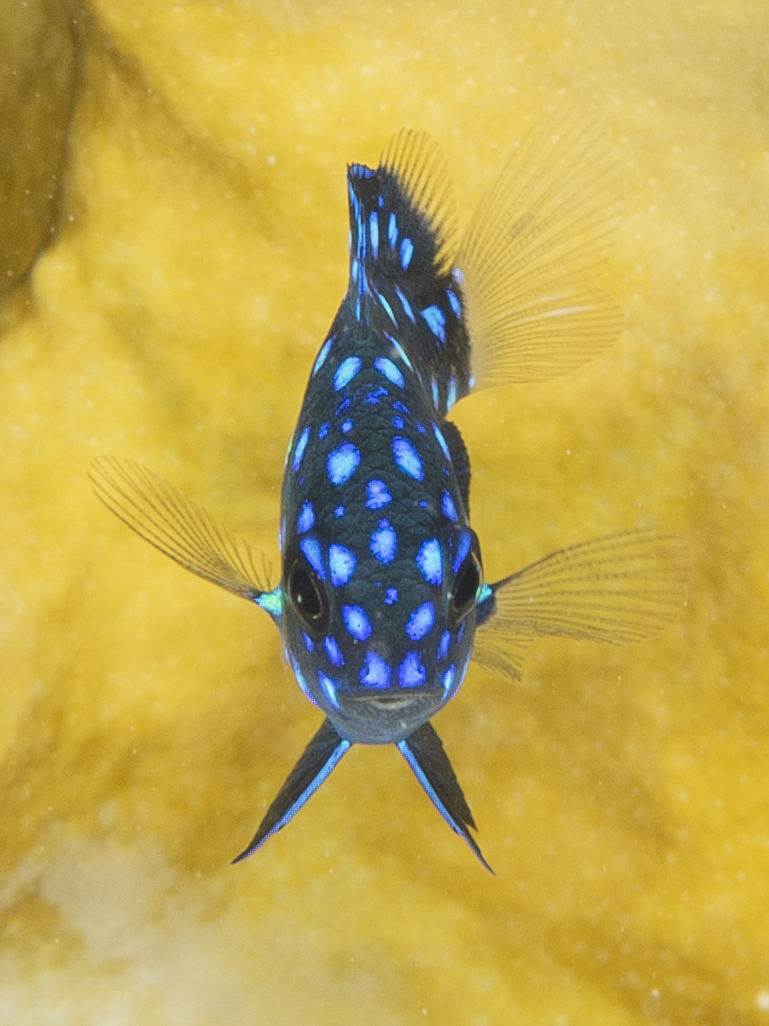
A juvenile yellowtail damselfish, scattered with electric-blue stars — the dazzle fades to plain as it grows up.
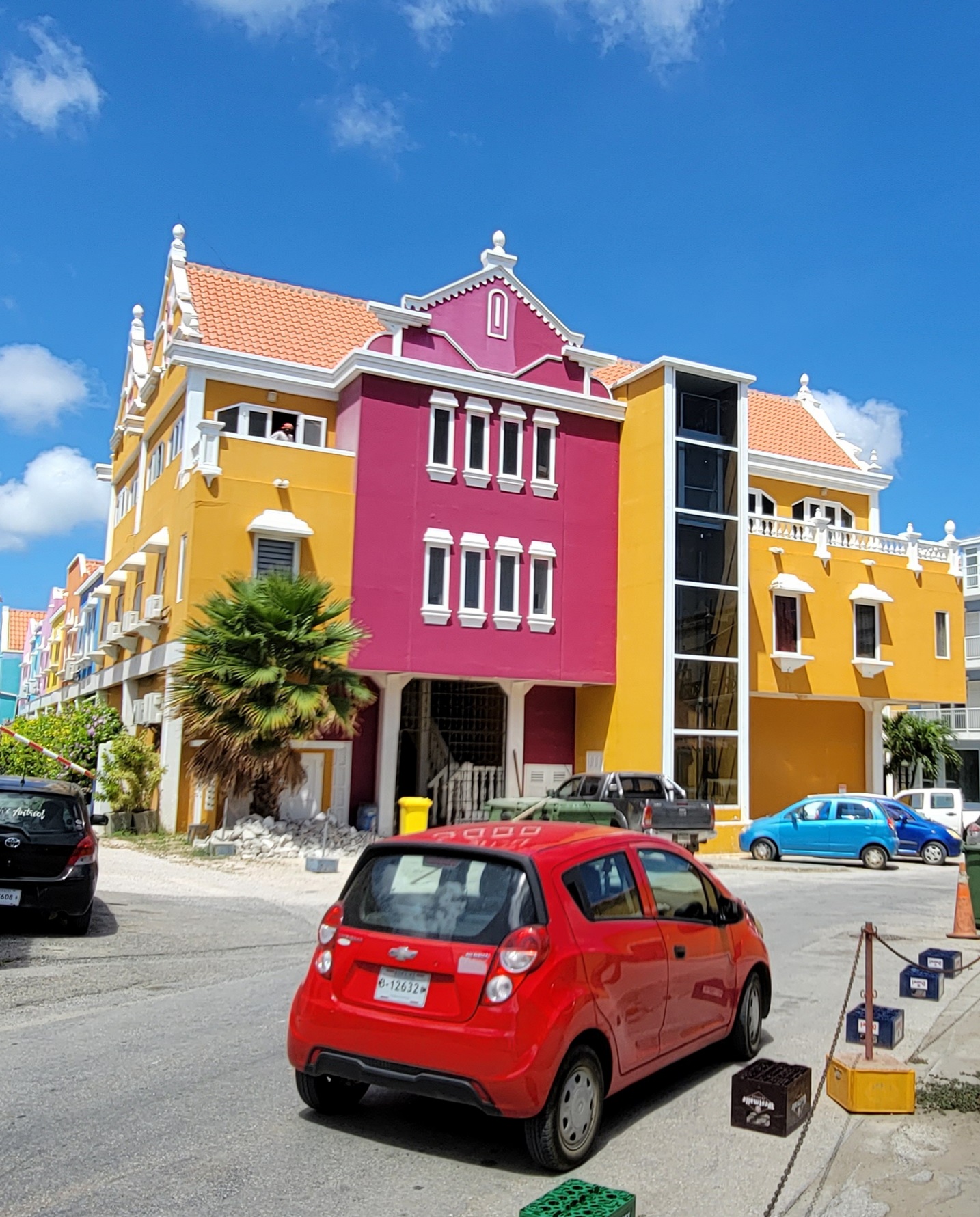
Dutch-colonial color in Kralendijk, Bonaire’s little capital — magenta and mango facades under a Caribbean sky.

Between dives, drifting a quiet mangrove channel with the local crew.
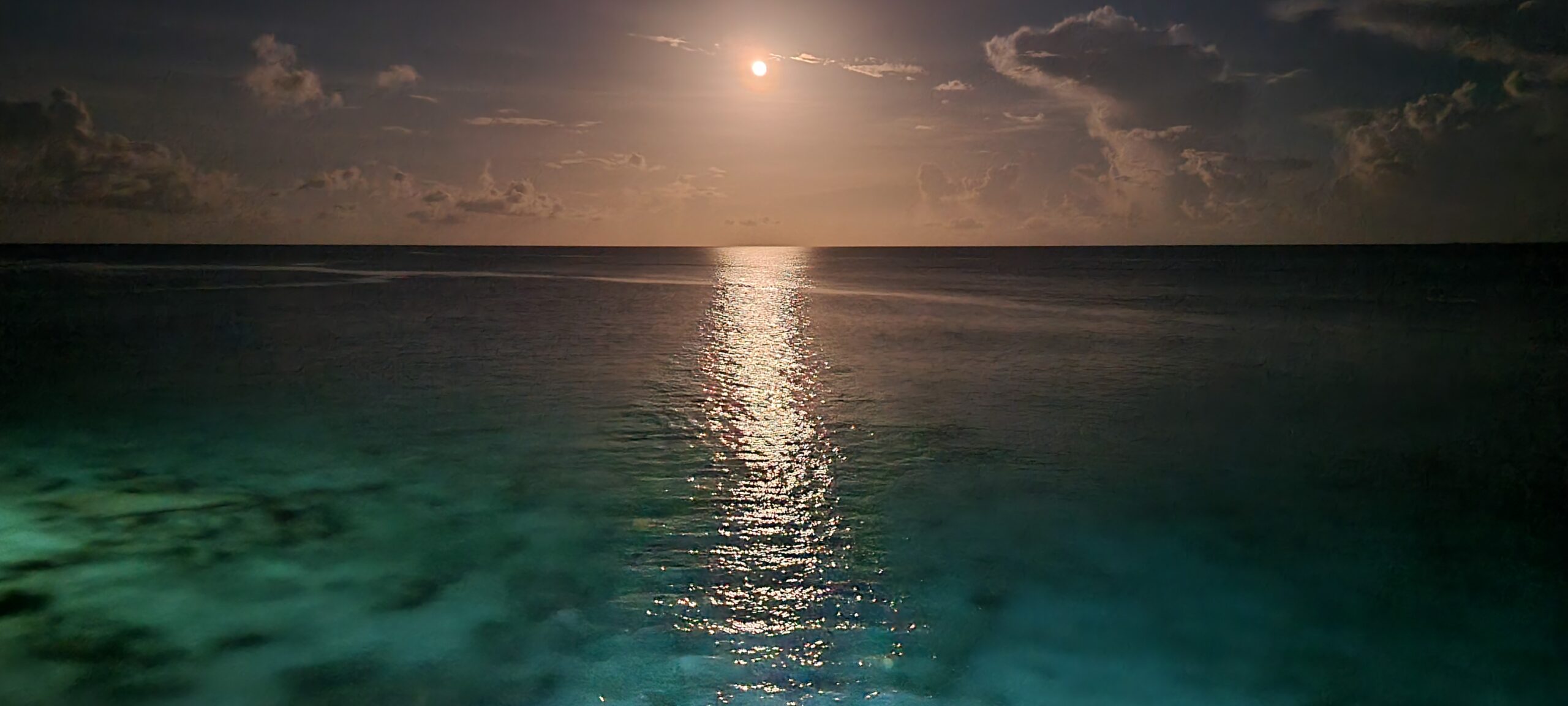
Day’s end over the water, the last light laying a silver road across the sea.
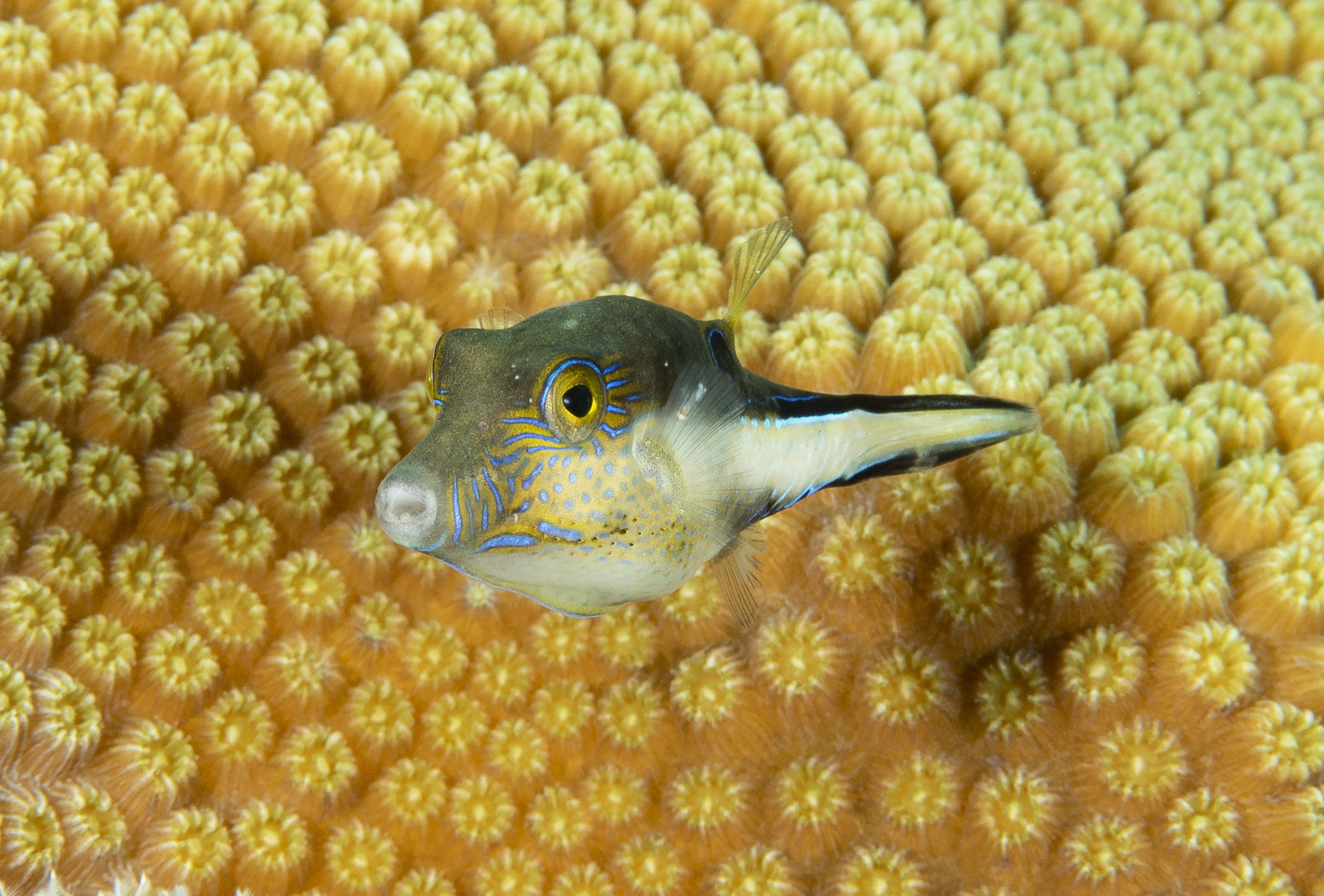
A sharpnose puffer, no bigger than a thumb, peers out with electric-blue eye lines — the smallest of the Caribbean puffers.
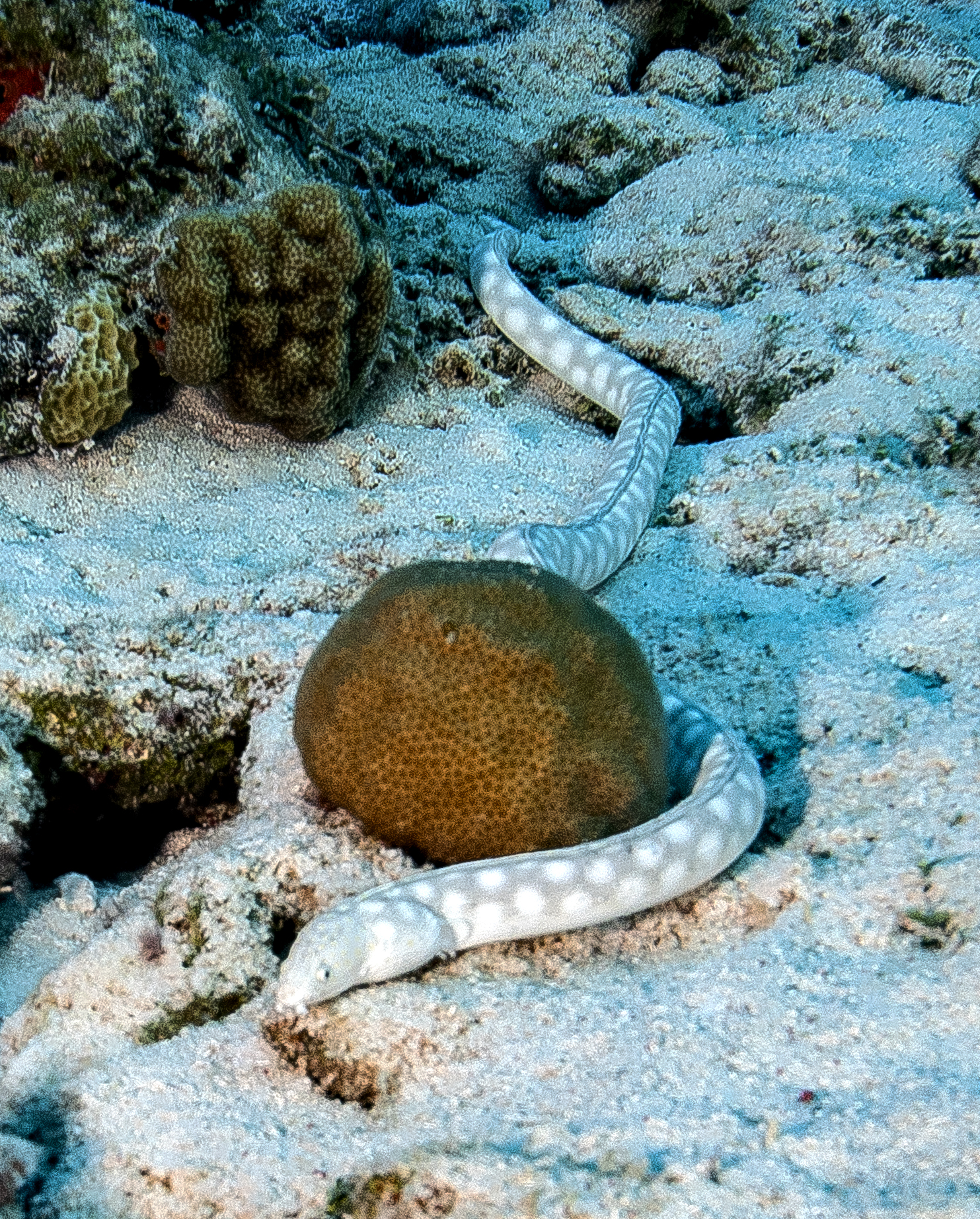
A sharptail eel threads across the open sand, hunting by scent — a snake eel, harmless despite the moray-like look.
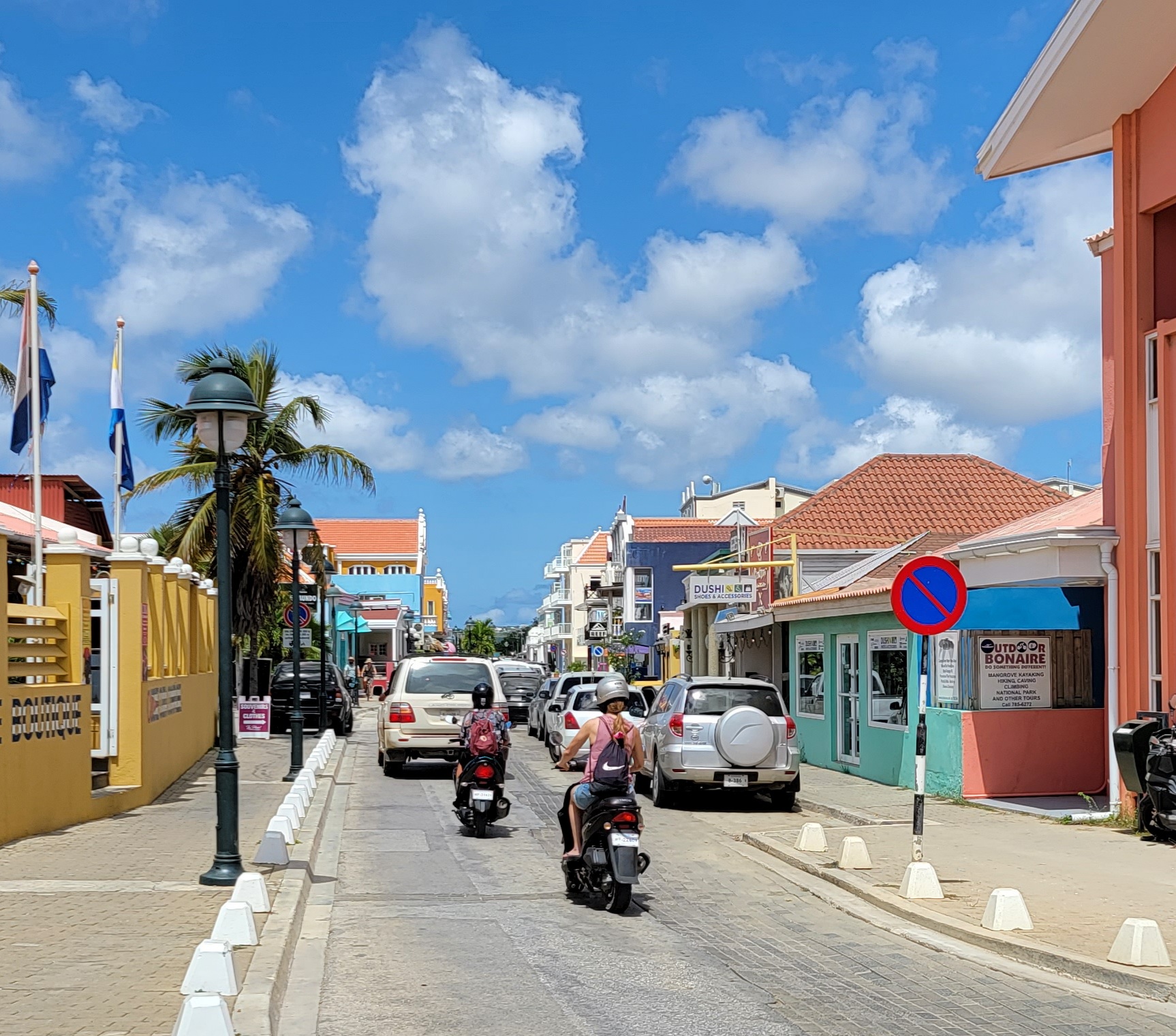
A slow afternoon on a Kralendijk street — dive shops, scooters, and trade-wind flags snapping over the harbor.
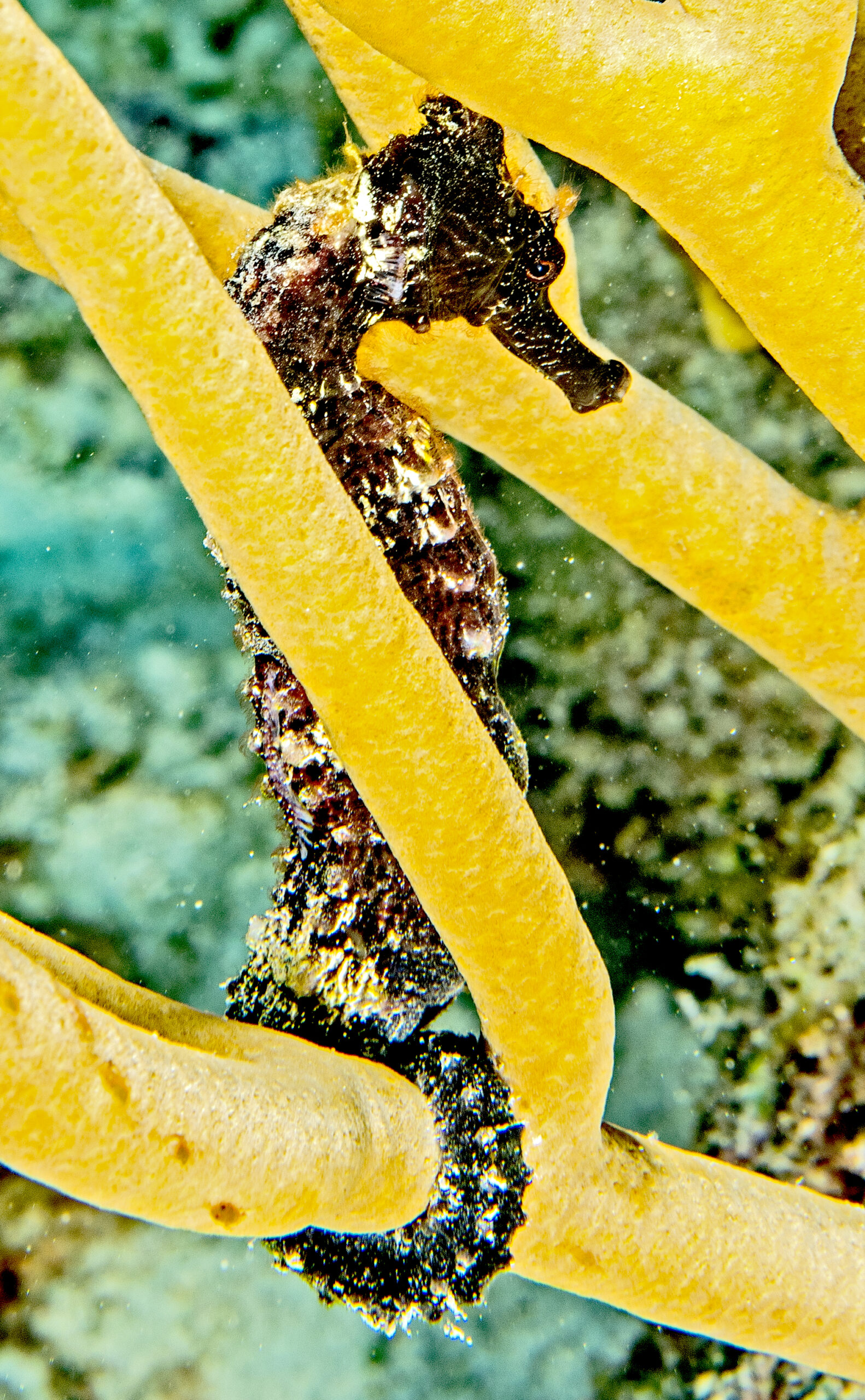
A longsnout seahorse curls its tail around a rope sponge — one of Bonaire’s most sought-after finds, and easy to swim right past.