Sevilla (Seville)
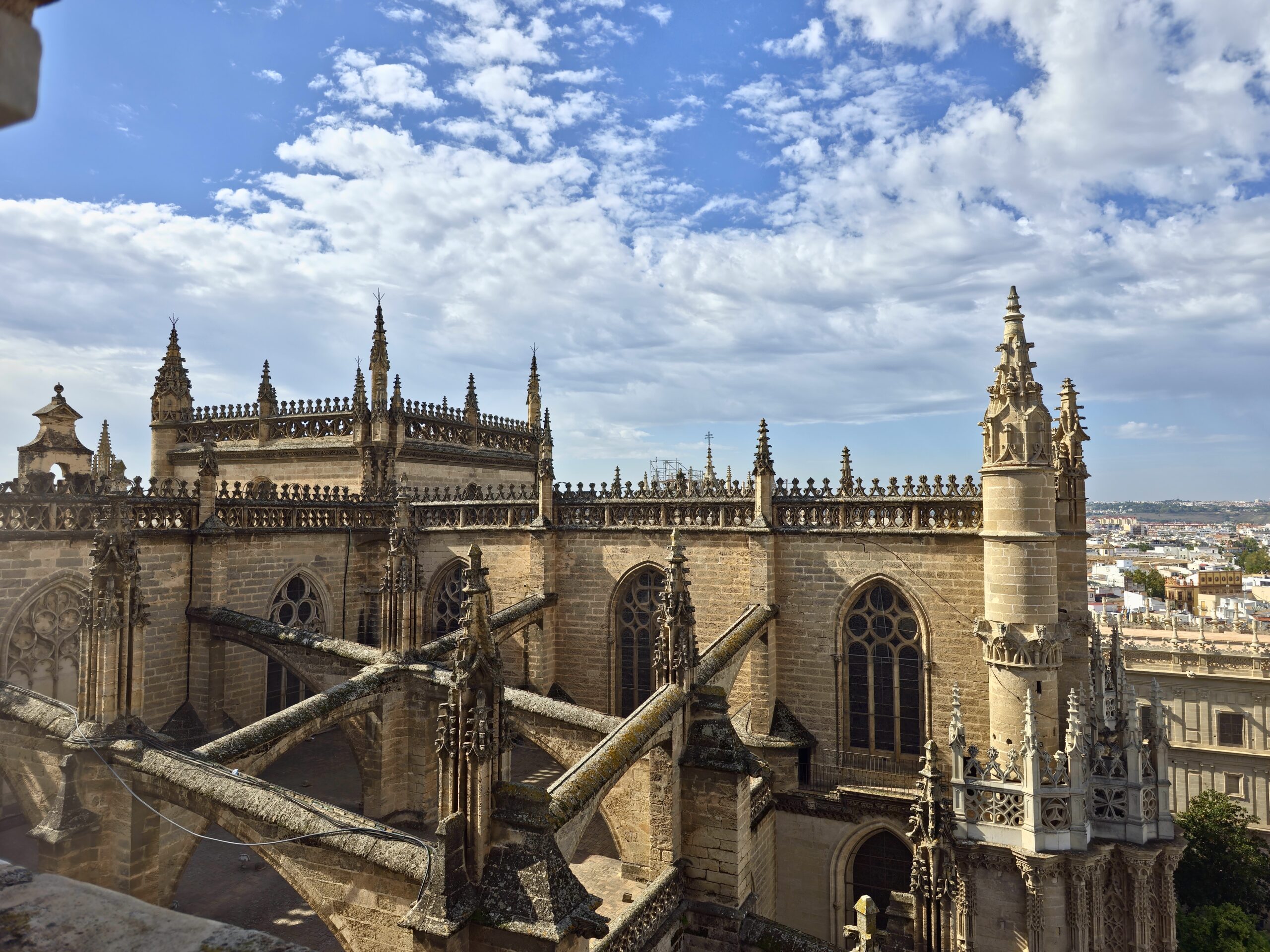
Looking down on the cathedral’s Gothic roofline from the Giralda — a forest of pinnacles and flying buttresses atop the largest Gothic church in the world.
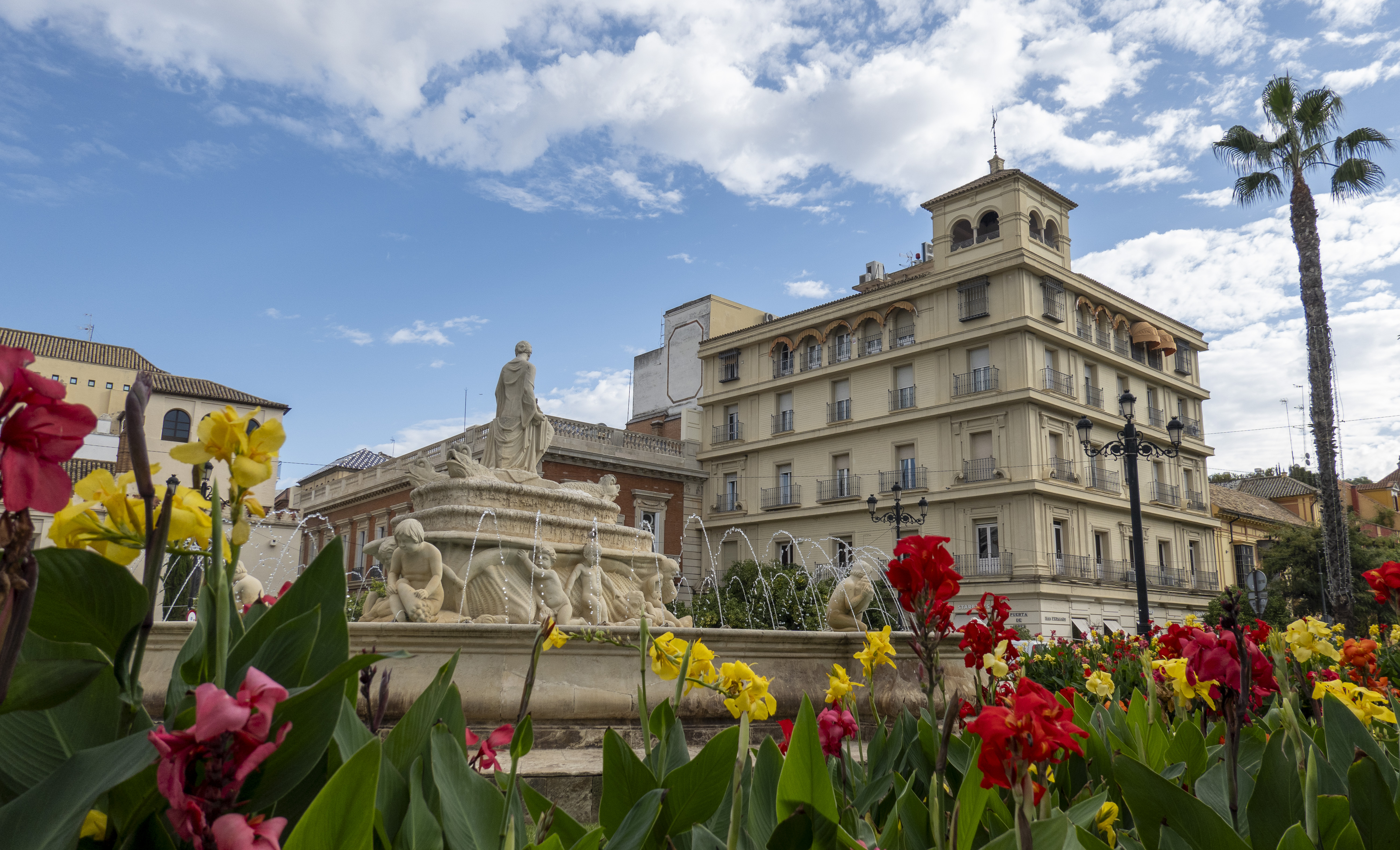
Canna lilies blaze in front of a monumental fountain and a stately old facade at the edge of the historic center.
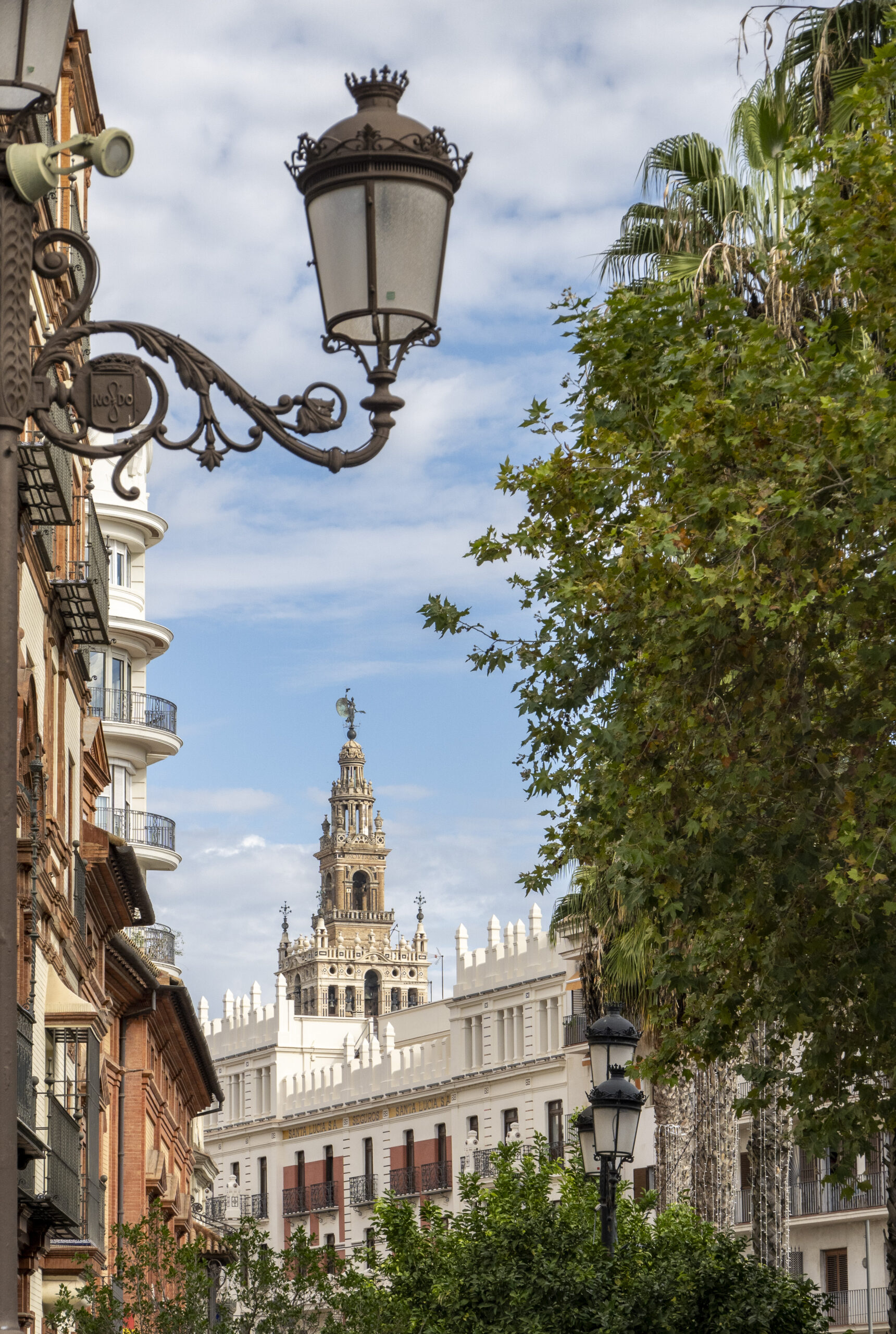
The Giralda peeks down a side street, framed by a wrought-iron lamp and a plane tree — the old minaret is visible from all over the quarter.
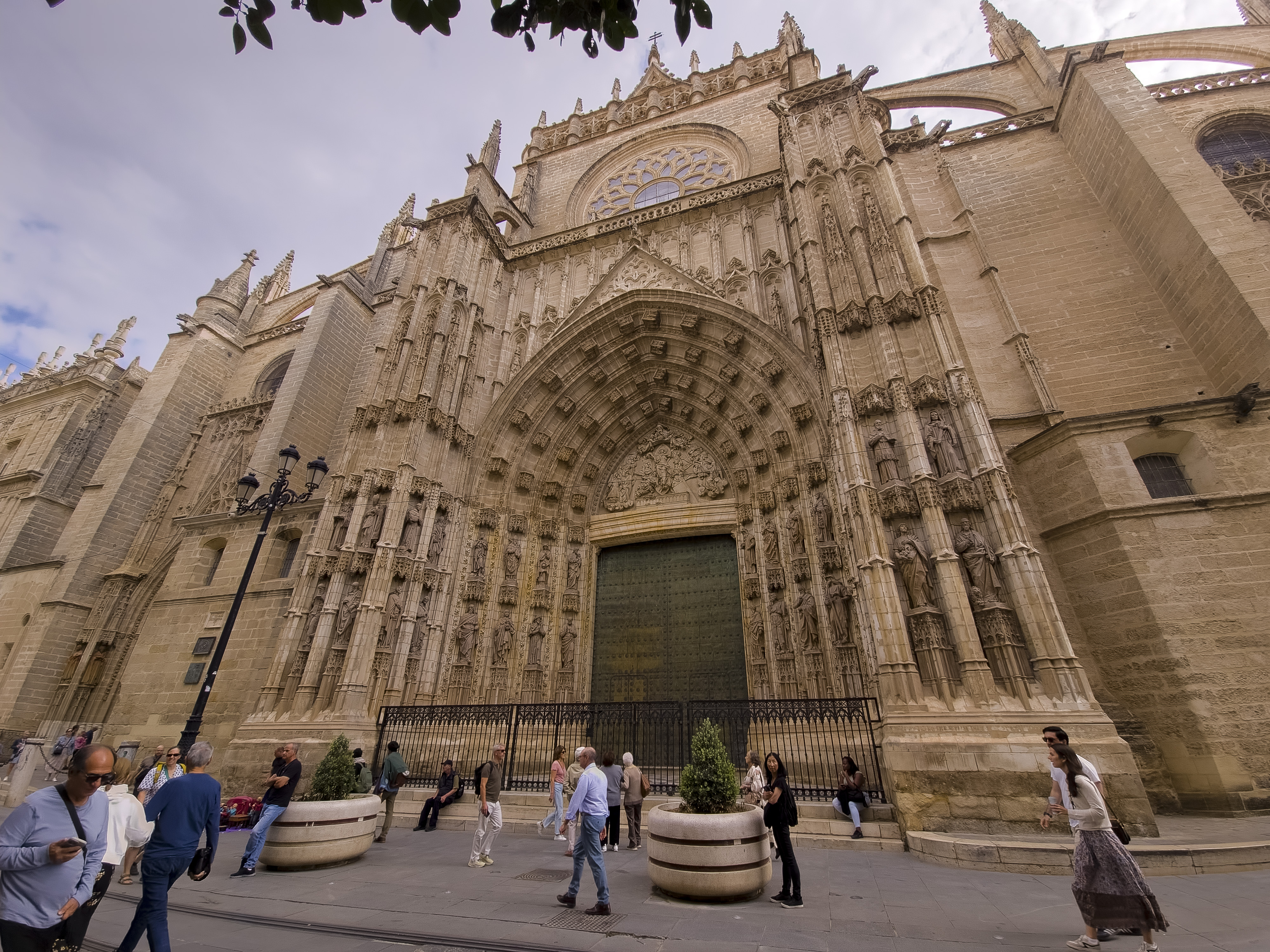
The great Gothic doorway of Seville Cathedral, its carved tympanum towering over the crowd at the entrance.
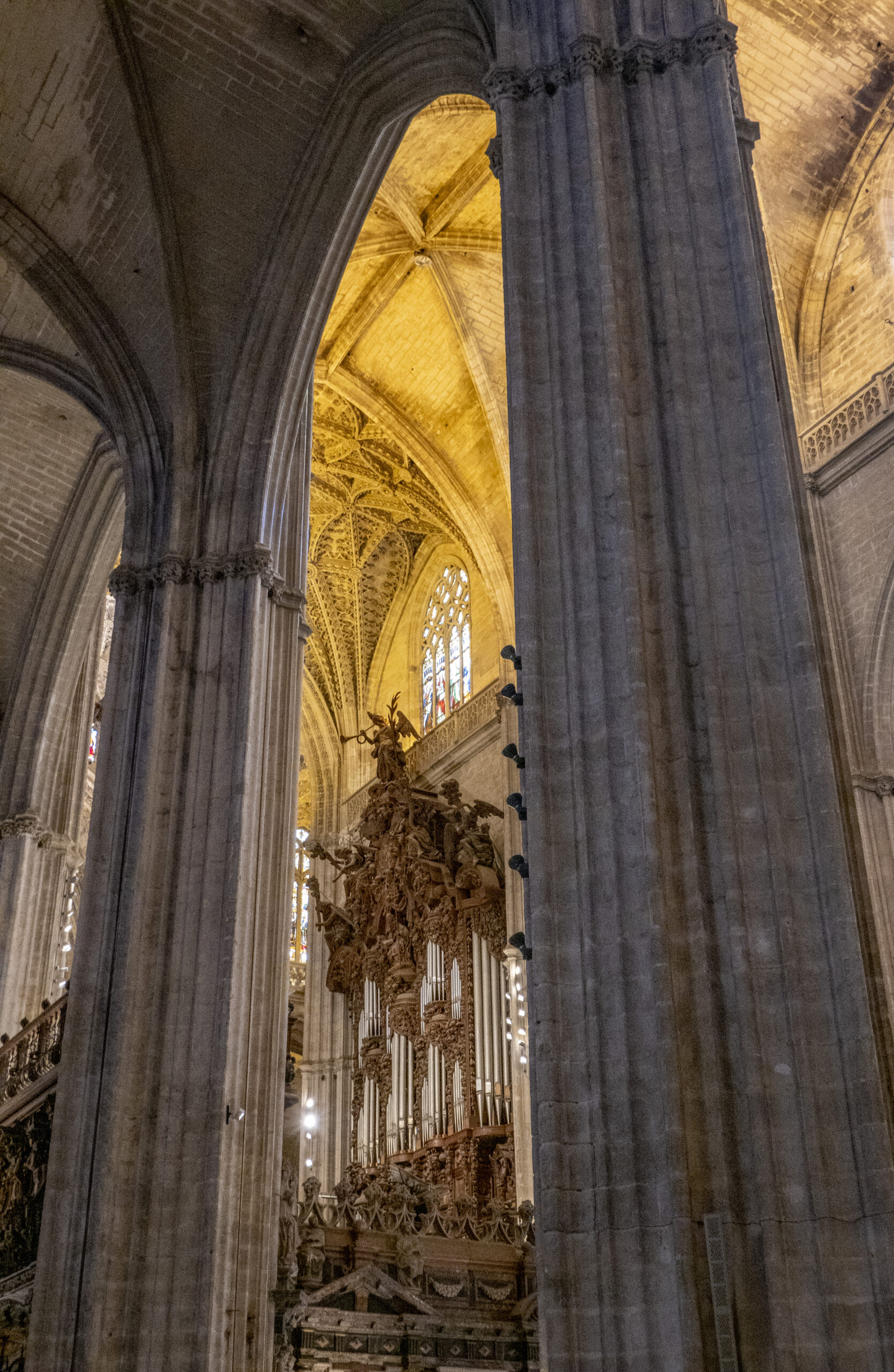
Inside, massive clustered columns soar into the vaulting, the great organ glinting between them.
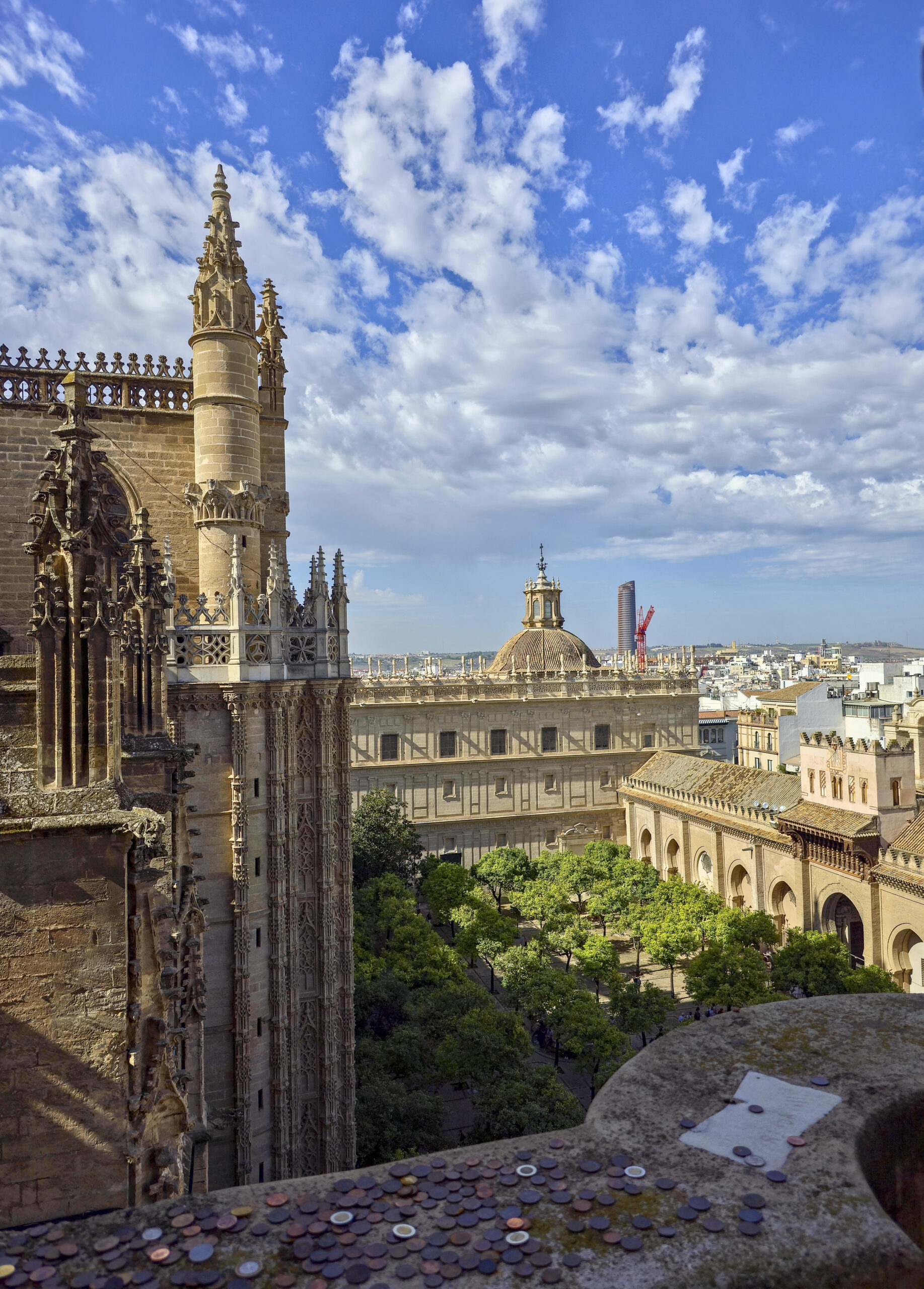
From the Giralda, the Patio de los Naranjos spreads out below — the orange-tree courtyard left from the mosque that once stood here.
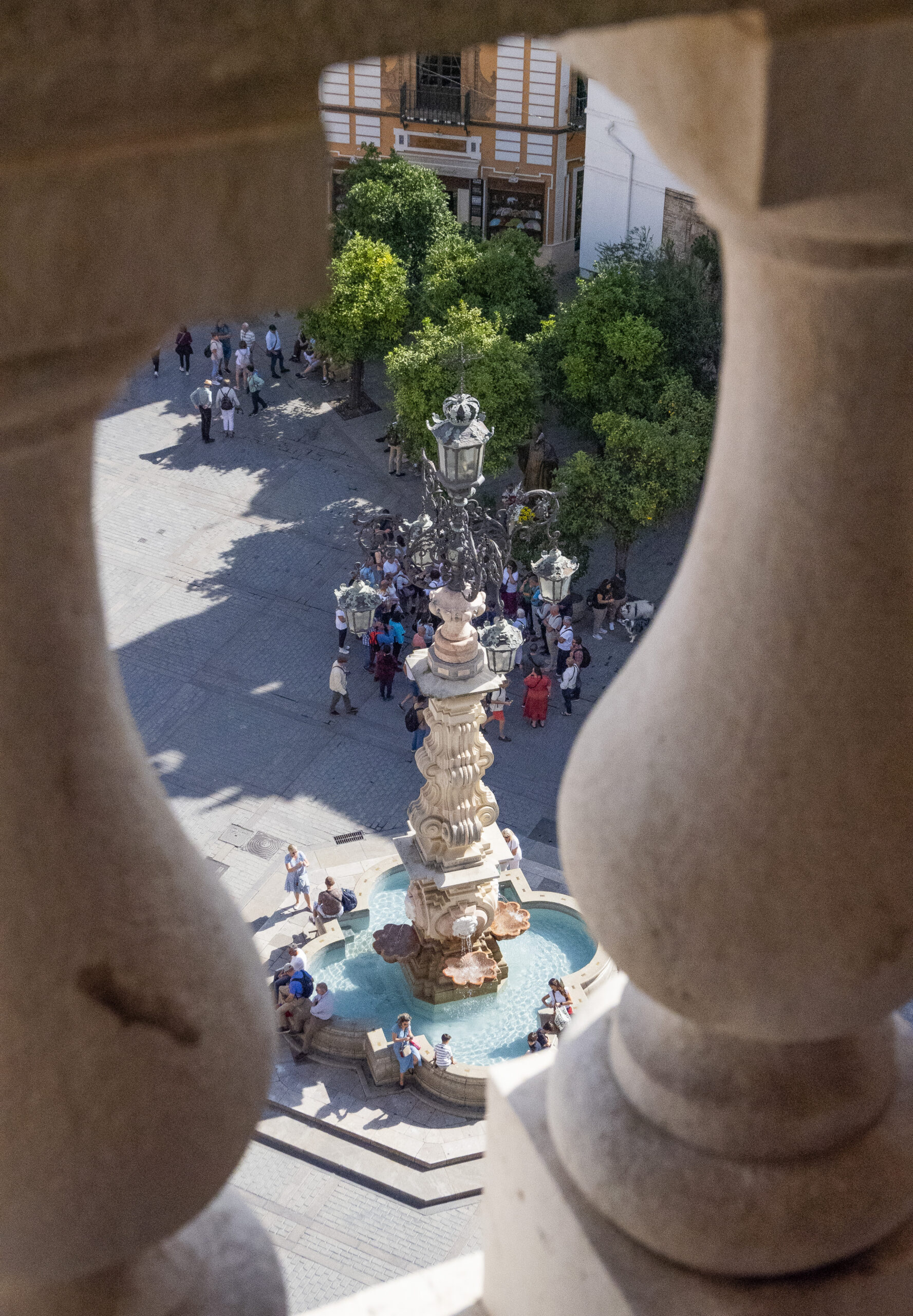
A dizzying look straight down through the Giralda’s stone balusters to the plaza and its famous lamp-fountain far below.
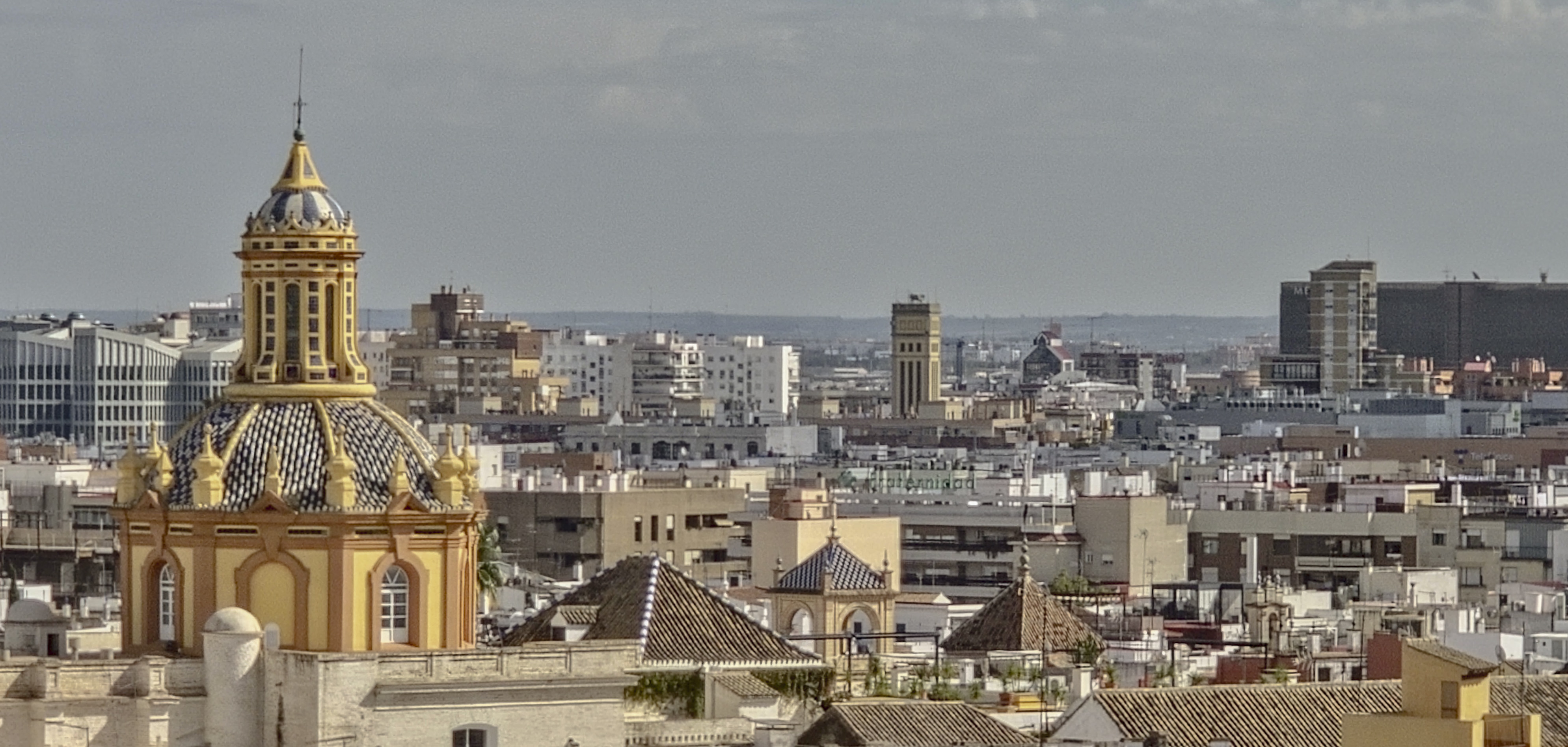
Seville rolls to the horizon from the top of the Giralda, a tiled church dome in the foreground and the Torre Sevilla far beyond.
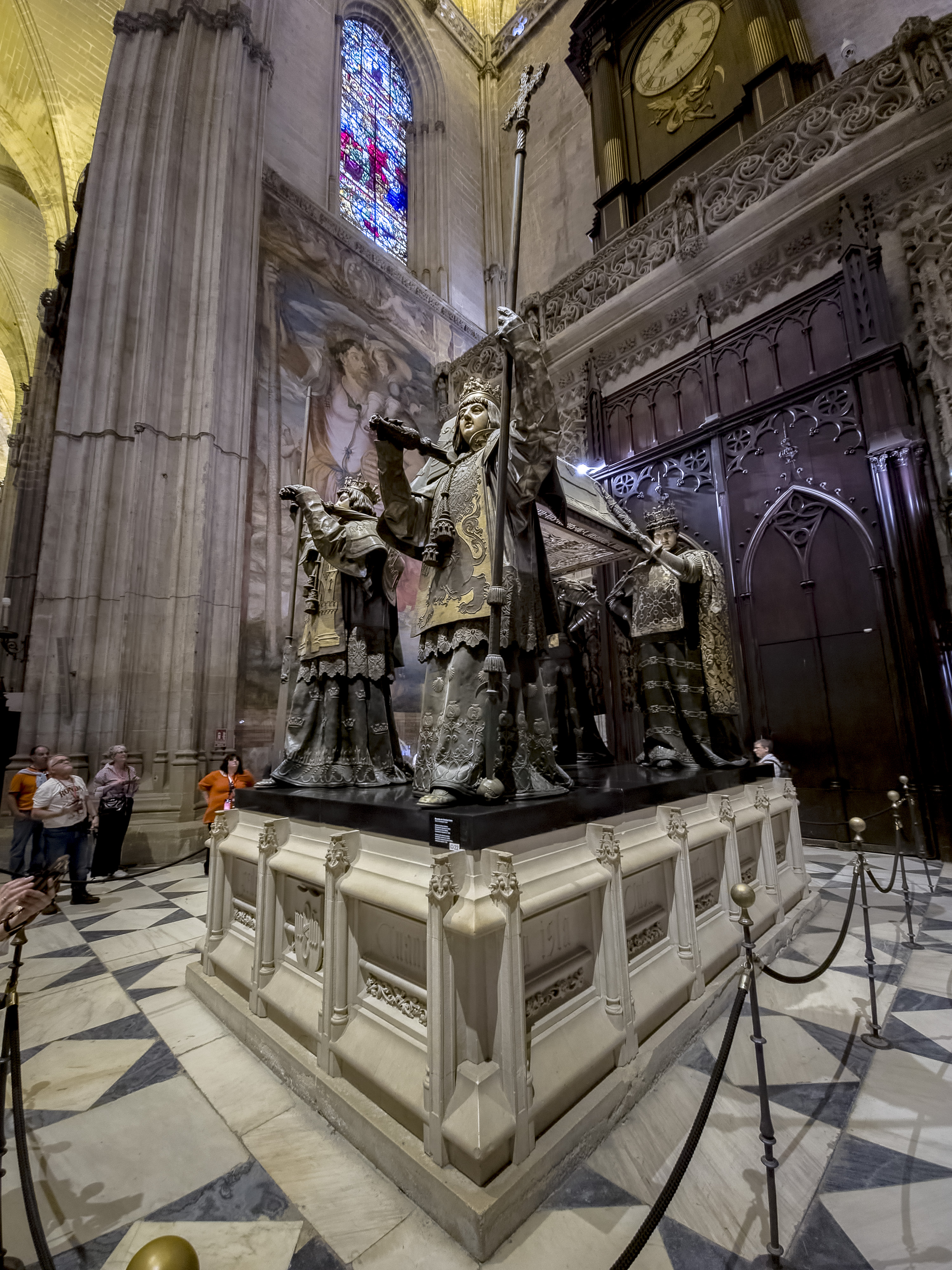
The tomb of Christopher Columbus, his casket borne aloft by four heralds for the old kingdoms of Spain — Castile, León, Aragón and Navarre.
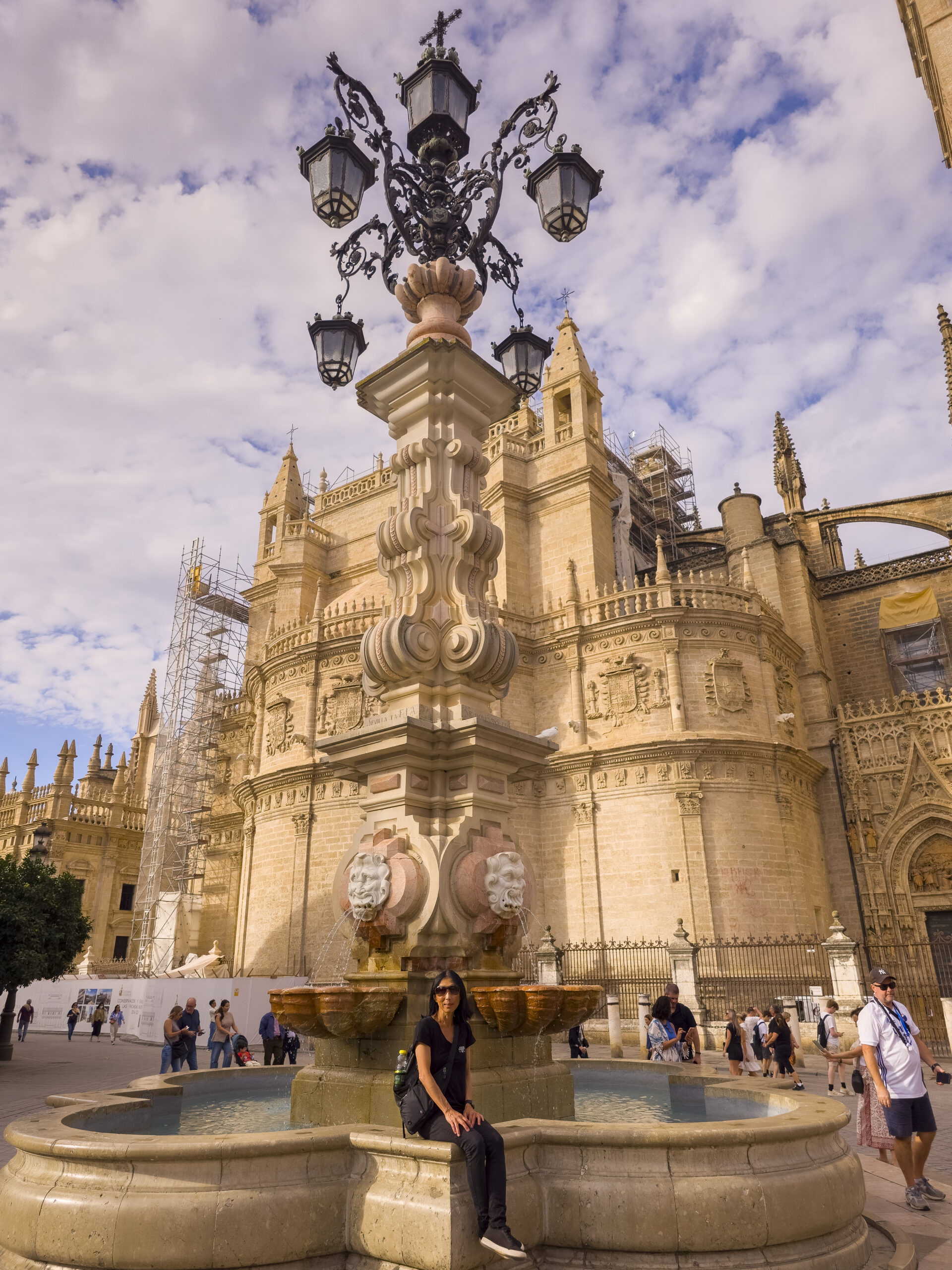
Ruth rests at a fountain beneath the cathedral’s south flank, the great Gothic bulk rising behind her.
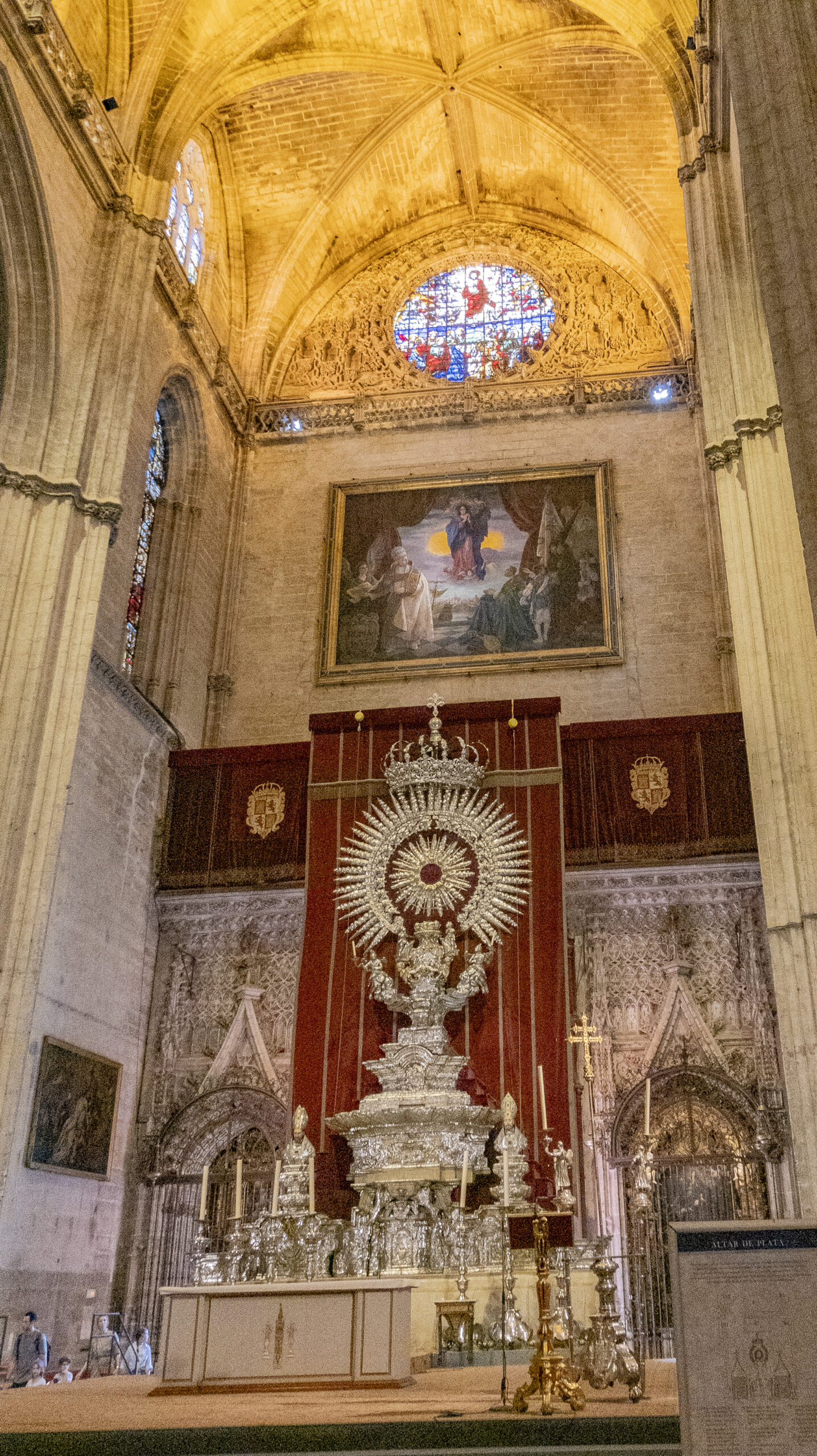
The dazzling Altar de Plata — the cathedral’s silver altar and monstrance, blazing beneath the vaulting.
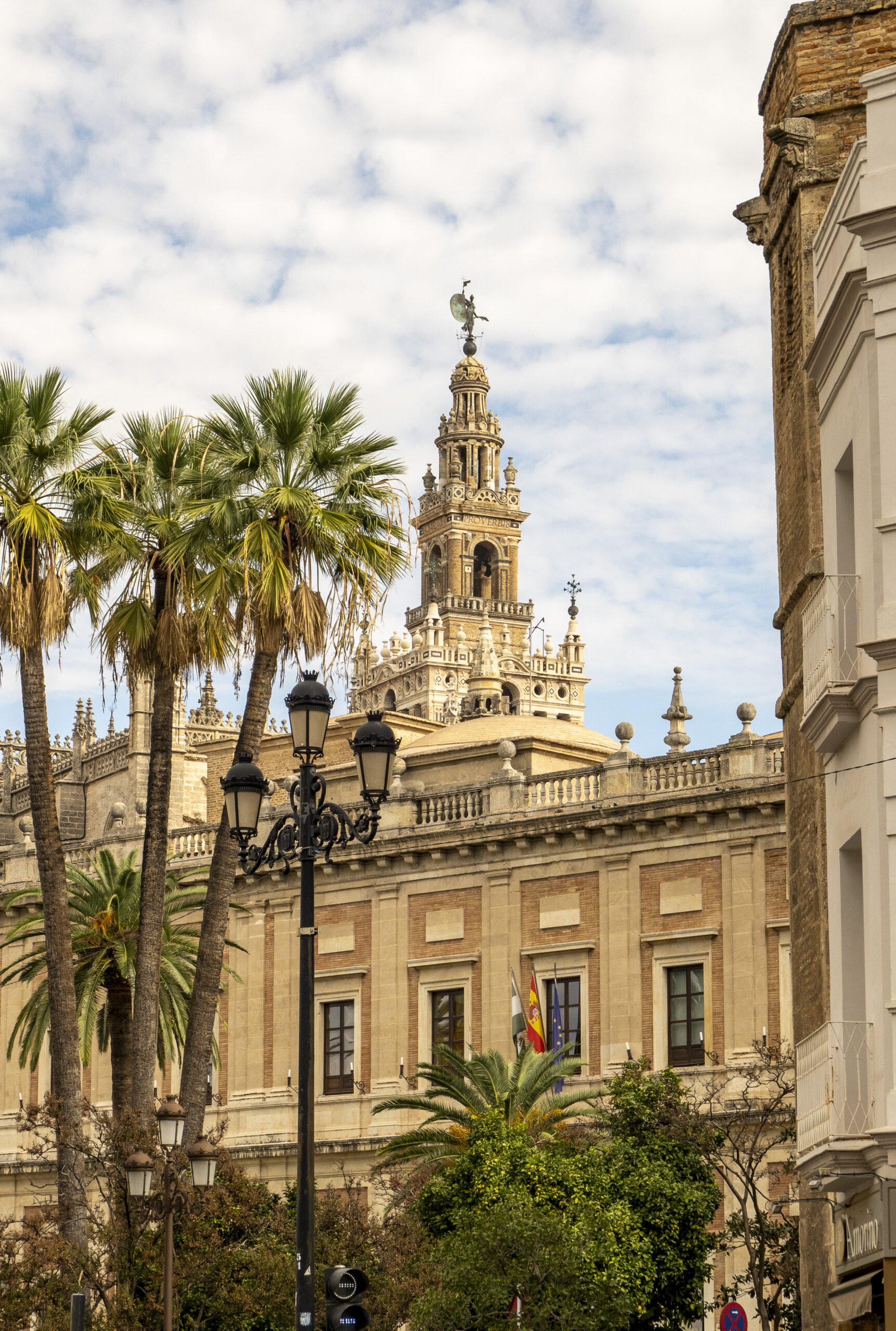
The Giralda rises over the palms and rooftops of the cathedral quarter, its bronze weathervane catching the light.
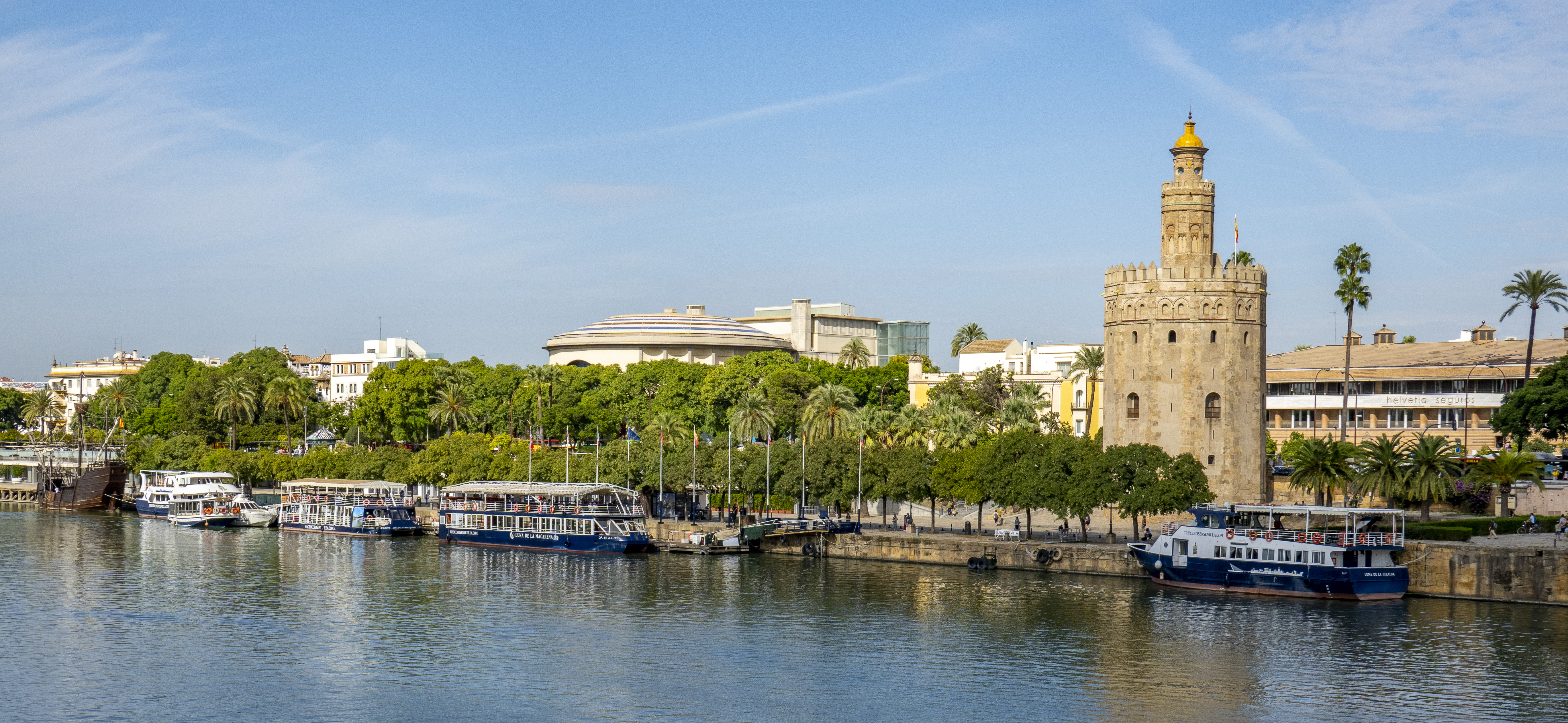
The Torre del Oro has guarded the Guadalquivir since the 1200s — tour boats now moor where Spain’s treasure fleets once landed.
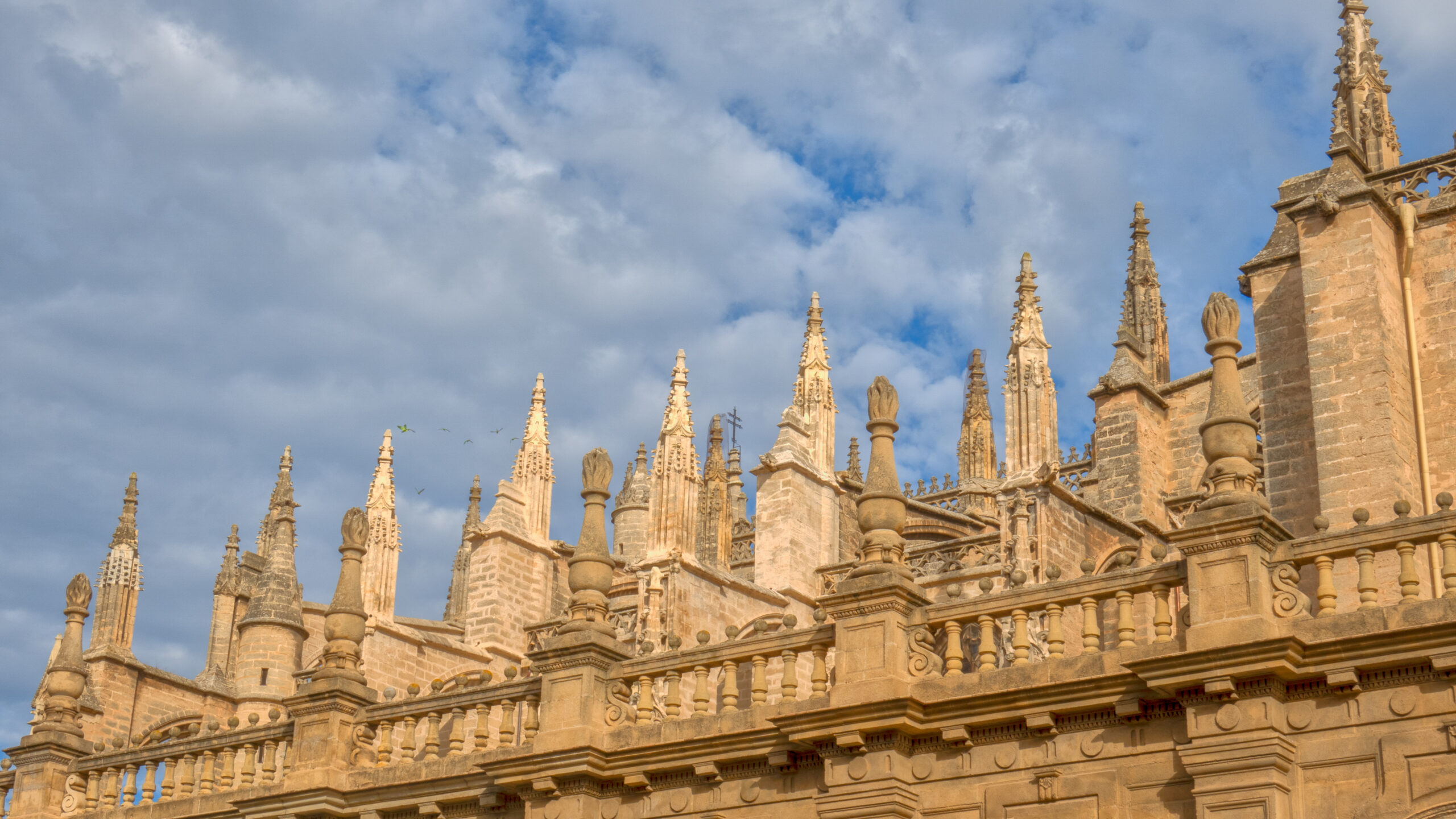
Golden evening light on the cathedral’s crest, a bristling line of Gothic finials against the sky.
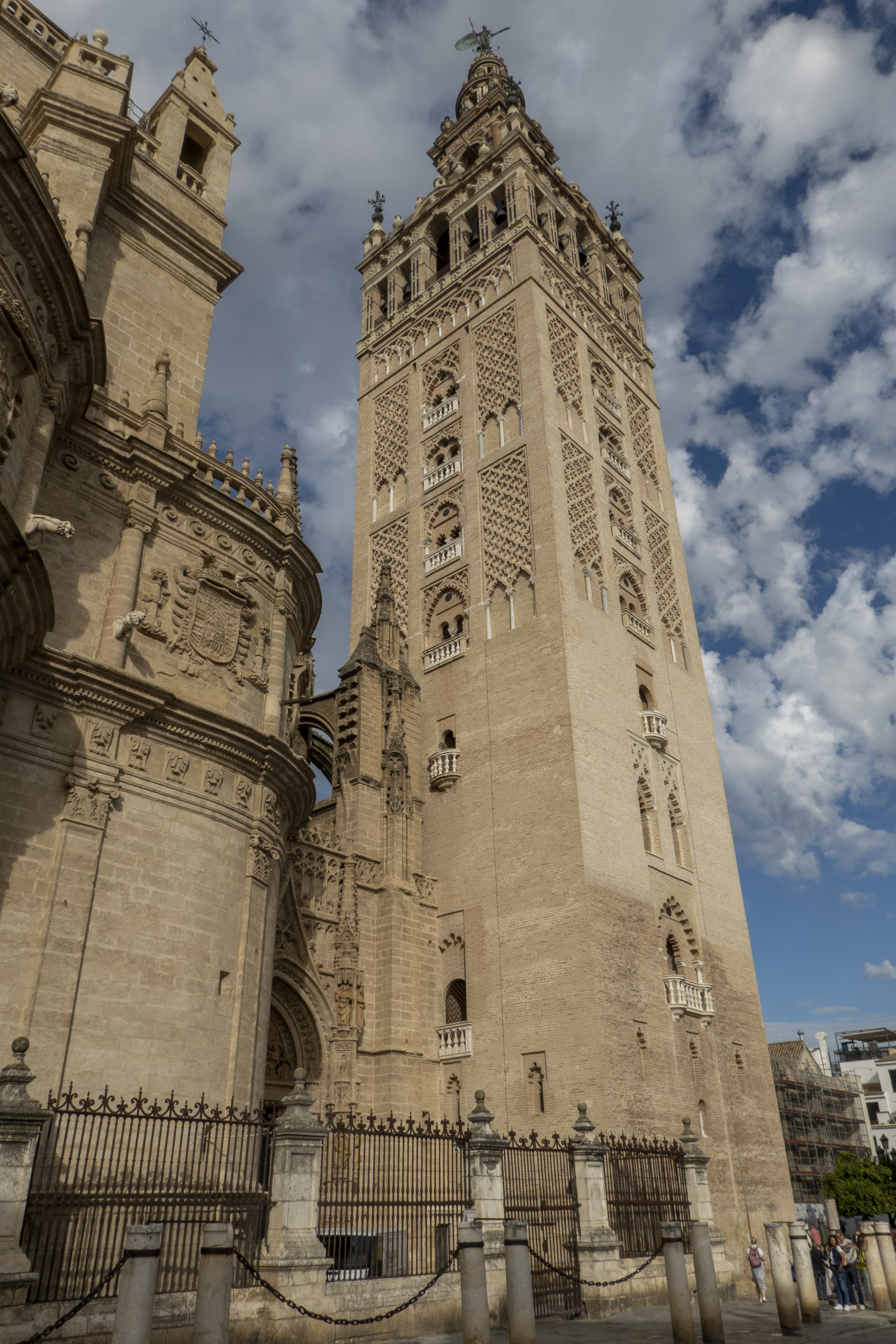
The Giralda up close — a 12th-century Almohad minaret at the base, crowned with a Renaissance belfry four hundred years later.
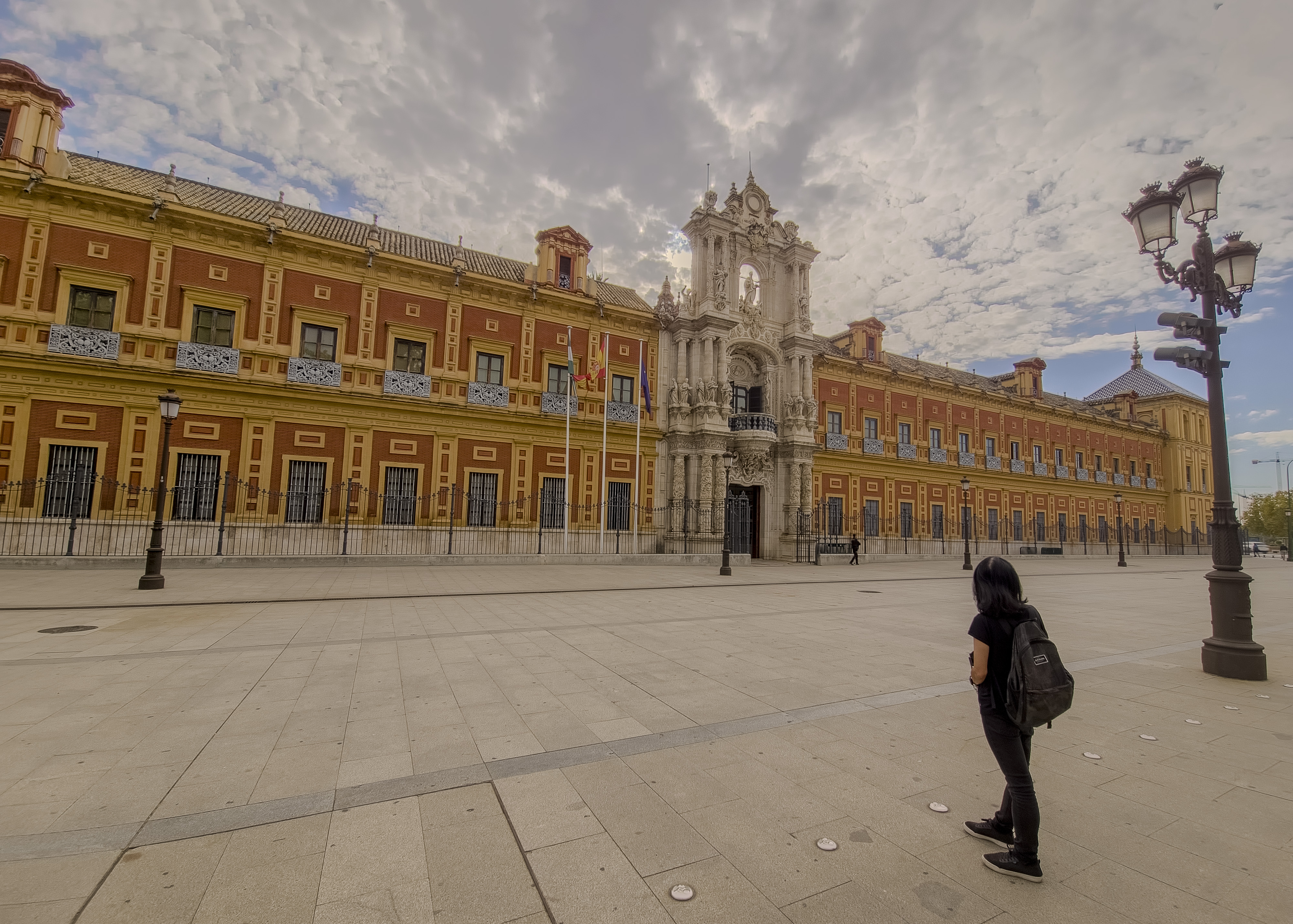
The baroque facade of the Palacio de San Telmo, once a college for navigators and now the seat of Andalusia’s government.
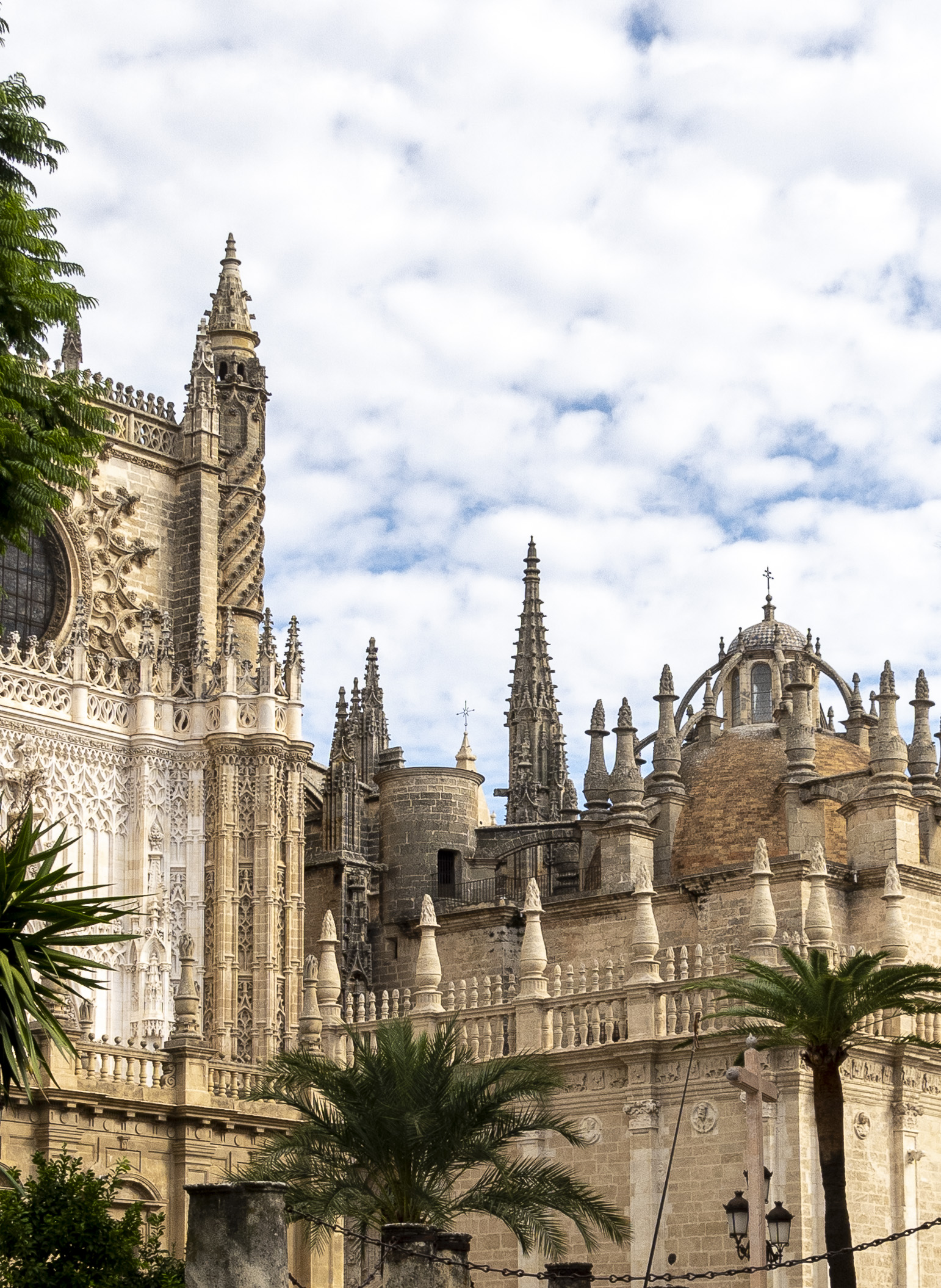
The cathedral’s pinnacles and crossing dome soar over the palms — Gothic ambition built to leave onlookers speechless.